Top Commanders Warned Against Extending the Iran War, the Post Says. The Pentagon Says It Never Happened.
A newspaper says four of the military's most senior officers formally objected to keeping the war going. The Pentagon says the story is invented. What holds up, and what that word everyone is throwing around actually means.

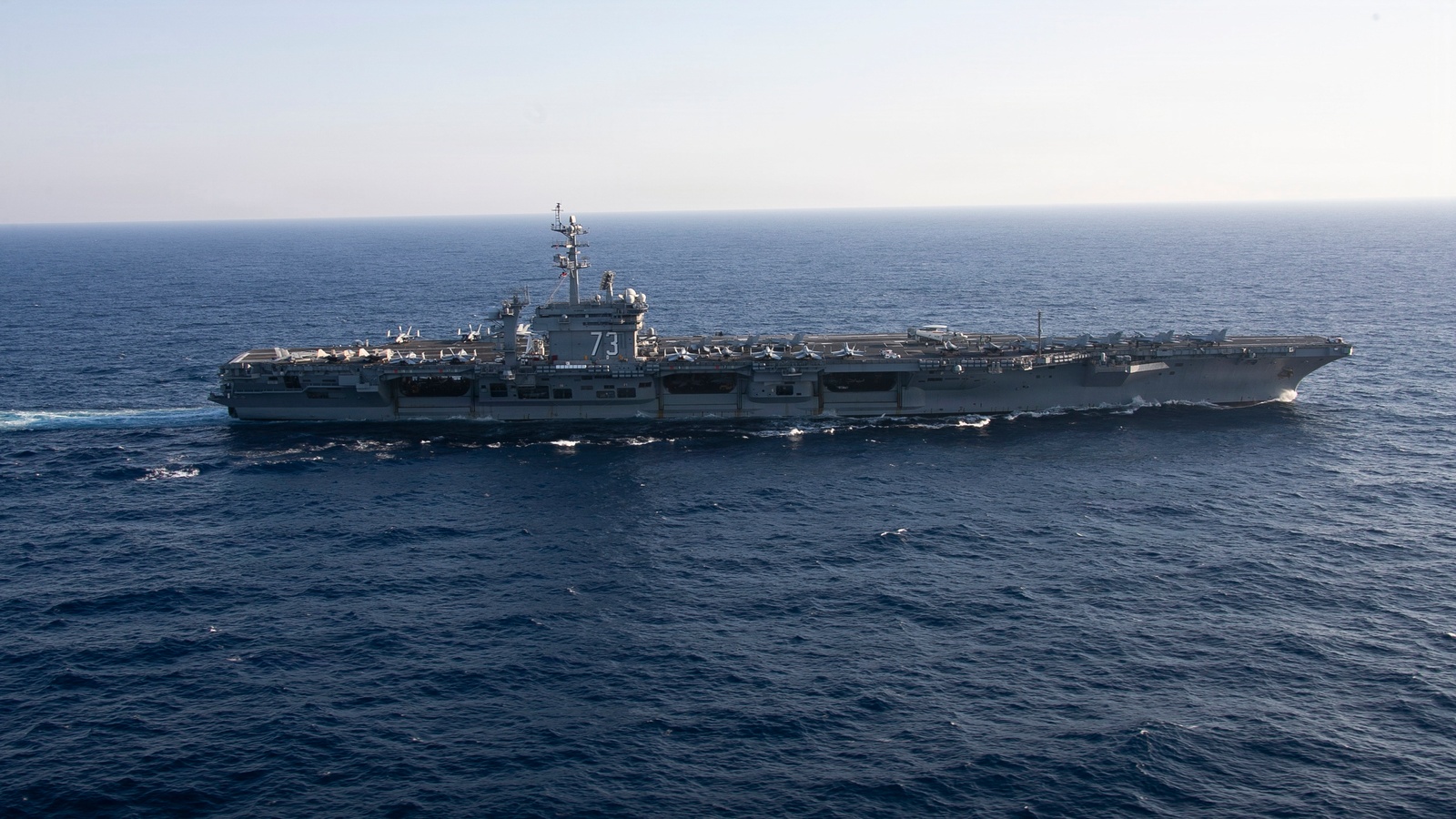
The war with Iran is six months old this week. It started on February 28. For the families of the sailors on the USS Abraham Lincoln, those six months meant a carrier that stayed out more than 250 days, most of them without a single stop in port, while the people at home watched the news for one ship.
This morning a Washington Post story added a twist. It reported that four of the country’s most senior military officers told the Secretary of Defense, in writing, that they do not think the Iran war should be stretched out any further. They will carry out the orders. They just wanted it on the record that they disagree.
Let me be straight with you about what I can and cannot see. The paper the Post describes is a classified staffing packet. I have not read it, and neither has any other reporter. So I am treating the story as a claim about that document, not as the document itself. The Pentagon’s answer, when asked, was two words: “fake news.” That is a claim too. I am not going to pretend either one closes the case.
The phrase doing all the work here is “non-concur,” and it sounds scarier than it is. Inside the Pentagon, when an order comes down, the commander signs a line saying whether they agree with it. Concur means yes. Non-concur means, roughly, “I will do this, but for the record, I think it is a mistake.” The order still goes through. Nobody is refusing anything. It is the most formal way a commander can say “I warned you” ahead of time, short of resigning.
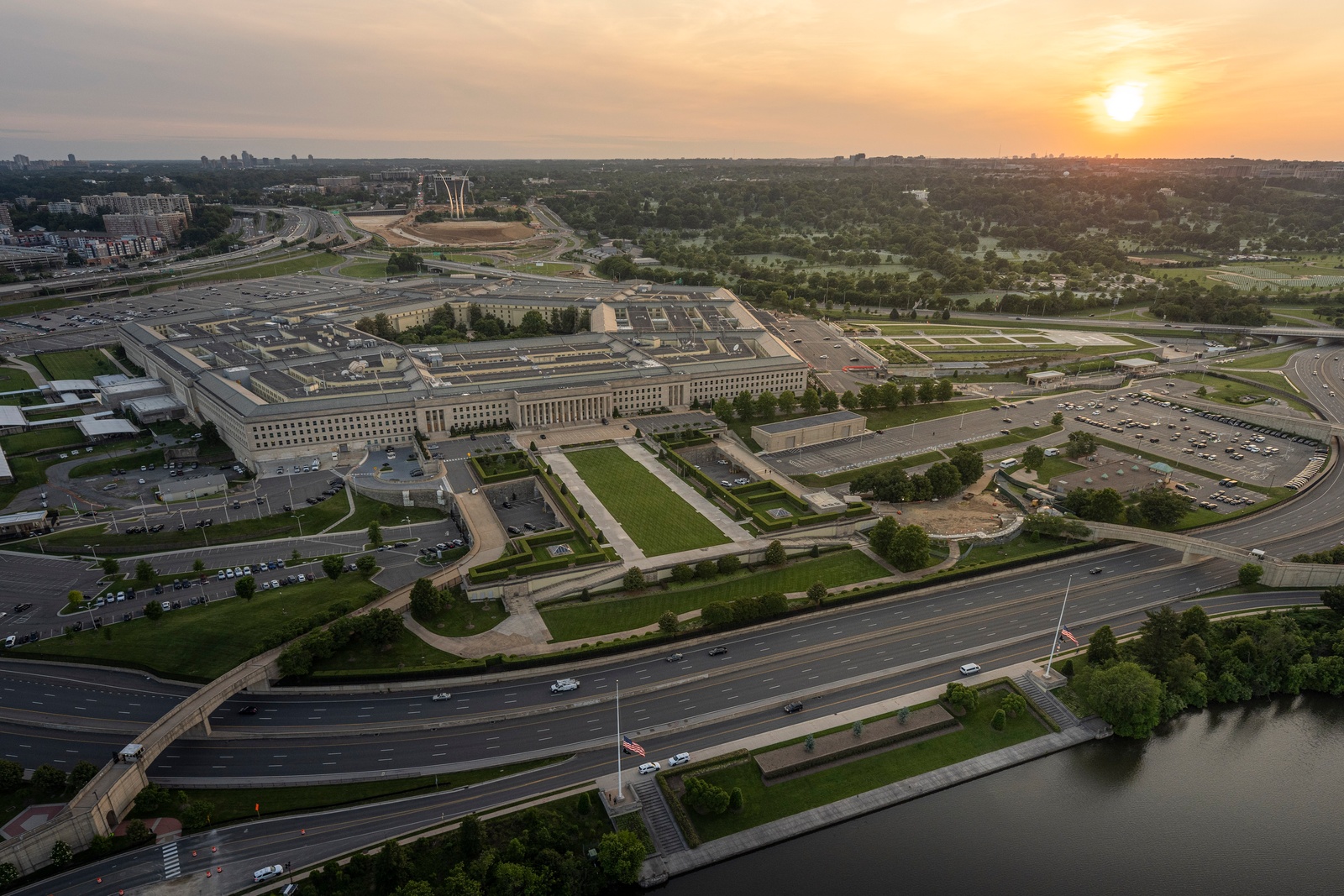
The officers the Post points to, by the jobs they hold right now, are General Alexus Grynkewich, who runs U.S. forces in Europe; Admiral Samuel Paparo, who runs them across the Pacific; General Francis Donovan at Southern Command; and Admiral Daryl Caudle, the Navy’s top officer. The story says the Army and Air Force chiefs agreed to the extension but wrote “significant risk” next to their yes. I am naming them because you deserve to know who this is about. I am also telling you plainly that the disagreement is the Post’s reporting, not anything I have confirmed from the packet.
The part that is already public
Set the secret packet aside for a minute, because the most telling facts are already out in the open. Ten days ago, U.S. Central Command announced on its own feed that the USS George Washington had reached the Arabian Sea to take the Lincoln’s place. That carrier is not just any hull. It is the one based in Japan, the one whose whole job is the Pacific and keeping an eye on China. Sending it to the Gulf leaves that corner of the map without an American carrier until another one shows up.
And four days before this story broke, on August 26, Admiral Caudle, the same Navy chief the Post names, said out loud that the Navy’s constant trips to the Middle East are cutting into what it can do against China. That one was not a leak. It was the top admiral saying it in public, in his own voice. Whatever that classified packet does or does not say, the man who runs the Navy has already told you where he thinks the strain is landing.
You can believe the Iran mission is worth doing and still notice the empty water near Japan. Those are not opposite ideas. It is one Navy, pulled in two directions at once.
The administration’s side is no secret either. Secretary Pete Hegseth has said, more than once, that the force stays until Iran cannot rebuild its missiles, cannot put a navy back to sea, and cannot get a nuclear weapon. He says the plan is working and the war ends on American terms. You do not have to agree with him to write that down fairly.
How each side is spinning it
The Navy is stretched thin. A carrier meant for China is stuck in the Gulf. The Lincoln’s brutal deployment showed a force running on fumes, and now its own commanders are putting their objections in writing. In this telling, the word non-concur is close to a verdict.
It is fake news. The same press that got the Lincoln story wrong is now getting a classified book wrong. Orders are being followed, a fresh carrier is on station, and Iran is under real pressure. The people in uniform will do their jobs the way they always have.
Both pitches skip the dull sentence in the middle. Elected leaders are allowed to order a long war. The officers who run it are allowed to say, on paper, that they think the bill is coming due, and then salute and carry it out. That is the system working the way it was built to, not the system falling apart. It only turns into a real crisis if that warning gets ignored until a ship or a supply line actually breaks, or if the warning was never written and the story got it wrong.
What would settle this
I am not ready to call a winner, and a few things would let me. The officers saying it with their names attached, or the packet itself in a form the public can read. A straight answer on how long the George Washington stays in the Gulf, and what covers Japan while it is gone. A real readiness number instead of a slogan. Until one of those shows up, I will live with the slower, duller version of the story, which is usually the true one.
If you have a kid on one of these ships, you already knew the strain was real. You did not need a fancy word for it. If you believe the war has to be finished, you already knew more deployments were coming, and you did not need a headline to feel that either. So watch the water near Japan. If a carrier turns up to cover it soon, the Pentagon’s version looks about right. If that spot stays empty for months while the Gulf stays full, then the warning those commanders may or may not have written was pointing at something real.
- The Washington Post, August 30, 2026, “Military leaders warn Hegseth against extending Iran war operations,” as publicly summarized the same morning by the Daily Beast: alleged non-concurs tied to European Command, Pacific Command, Southern Command, and the Chief of Naval Operations; Army and Air Force concurrence with a “significant risk” note; the Pentagon’s “fake news” comment. I have not independently inspected the Orders Book.
- Current combatant and service leadership, verified against official biographies: Gen. Alexus Grynkewich (U.S. European Command), Adm. Samuel Paparo (U.S. Pacific Command), Gen. Francis Donovan (U.S. Southern Command), and Adm. Daryl Caudle (Chief of Naval Operations).
- The Washington Times, August 26, 2026: Adm. Daryl Caudle’s on-the-record remarks that Middle East deployments compete with the Navy’s leverage against China.
- U.S. Central Command, August 20, 2026: USS George Washington in the Arabian Sea after arriving August 19 to relieve USS Abraham Lincoln on a scheduled deployment.
- Stars and Stripes, the Associated Press, and The Hill, August 2026: Lincoln deployment length (250-plus days, 200-plus without a port call); the George Washington leaving the Japan-based Pacific presence; Hegseth’s “completely misrepresented” line on Lincoln conditions; Hung Cao on a planned rotation; Adm. Brad Cooper’s visit aboard.
- Public Hegseth and Gen. Dan Caine briefings through August 2026 on the Iran campaign: stated objectives unchanged (missiles, defense industry, navy, no nuclear weapon); the force remaining in theater. Timeline of major combat from February 28, 2026. This piece does not relitigate every strike claim.
Editor written. AI used for spelling and grammar only.