A Hero of Mine Died on Tuesday
Dolly Parton was 80, and I have been sitting with it, because she was my hero and a hero to a lot of us. So I wanted to write her whole life instead of her last week: the holler she came from, the songs she never let go of, the park that put her neighbors to work, the books she mailed to kids she never met, and the way she stood with gay and transgender people when a country star had every reason not to.

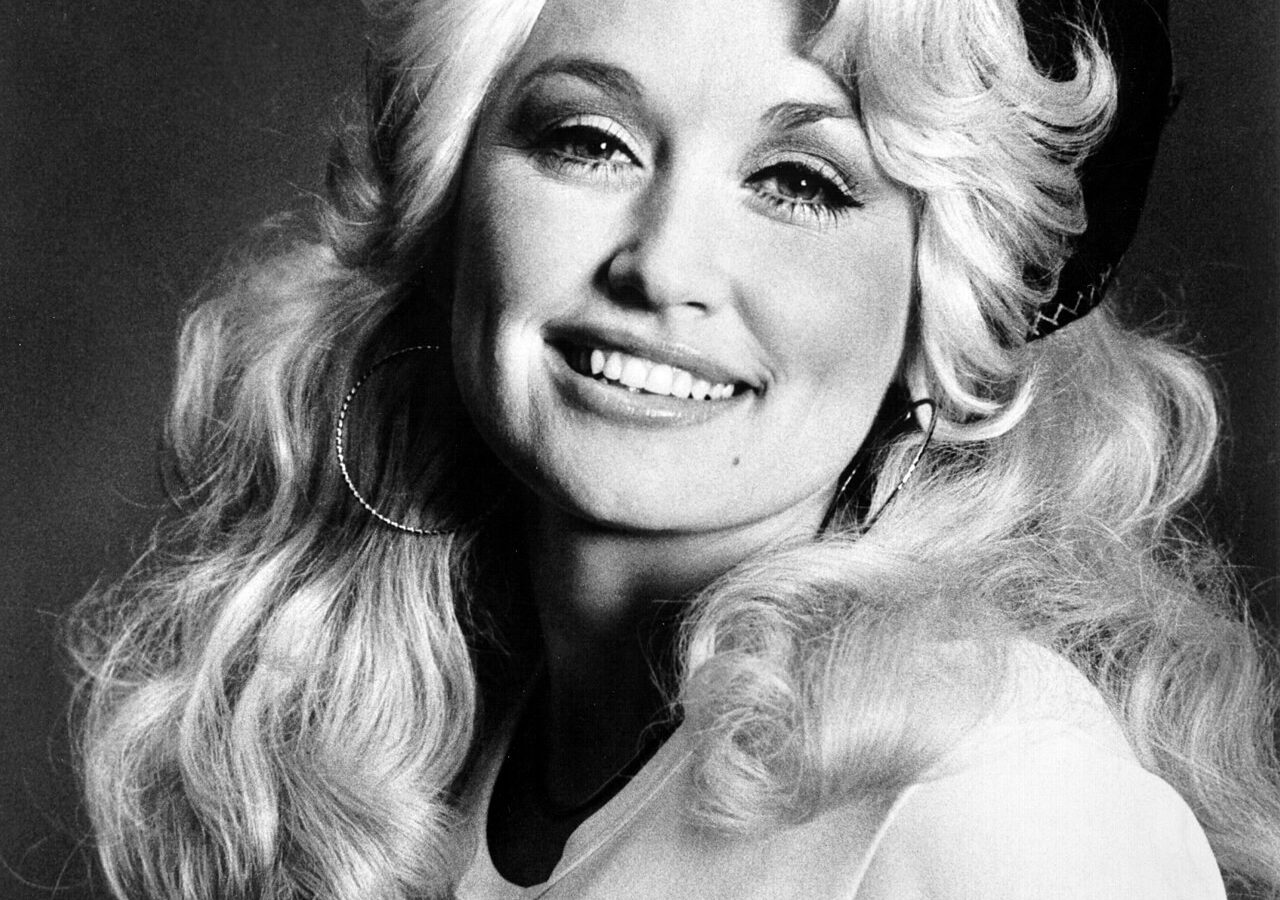
Dolly Rebecca Parton Dean died on Tuesday, August 25, at the Vanderbilt-Ingram Cancer Center in Nashville, with her family around her. She was 80. Her representatives said she had been through a brief battle with cancer, and they did not name the type, so I won’t either. What I am not going to do is let one bad week stand in for the seventy-nine years that came before it.
I usually turn a story around fast. This one I carried for three days, because Dolly Parton was a hero of mine, and I don’t hand that word out for number-one records. I keep it for someone who climbed out of a one-room cabin, held onto every song she ever wrote, put jobs back on the mountain she came from, and mailed books to children she would never meet. And she still had something left over for people like me. Without ever once making a speech of it, she let a gay man in Florida and the man he married know that we were not a problem somebody had to manage.
She managed that without turning the welcome into a performance about her own courage for offering it, which is rarer than it sounds. If I spend this whole piece on the cancer and the sadness, I will have done the one thing she never did, which is flatten a whole person down into a single headline.
Locust Ridge
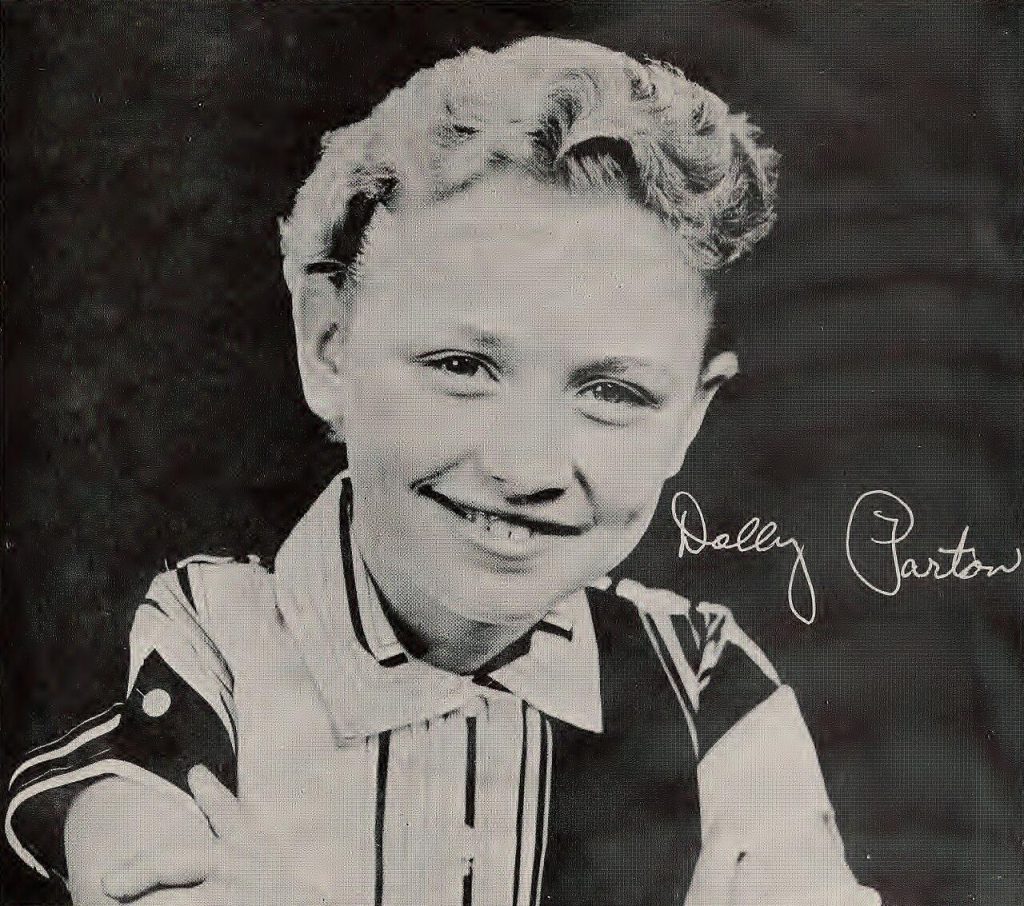
She was born on January 19, 1946, in a one-room cabin in Pittman Center, up in Sevier County, Tennessee, the fourth of twelve children. Her father farmed and took whatever other work the mountain would give him, and her mother sang the old songs over the housework. They were poor in a way that is not a figure of speech. Years later she wrote “Coat of Many Colors” about a coat her mother stitched out of rags, and about the little girl who wore it proud until the other kids laughed her out of it. It is not a cute song if you let it play to the end. It is a child deciding that being loved is a fact, whatever the room happens to think.
The day after she graduated high school in 1964, she got on a bus to Nashville, and before long Porter Wagoner had her on his television show. She outgrew that partnership without ever torching the man in public, which is a good deal harder than it looks. In one stretch of 1973 she wrote both “Jolene” and “I Will Always Love You.” One is a plea and the other is a blessing with a suitcase already packed. Whitney Houston would carry the second one around the world two decades later, but the writing was already finished, in a room in Tennessee, by a woman barely into her twenties.
She kept her publishing, too, which is not the throwaway detail it sounds like. Plenty of country singers spent whole careers singing other people’s catalogs and died still renting their own hits. Dolly owned her songs, and then she owned the business the songs paid for, and then the one after that.
In 1980 she took a supporting part in a workplace comedy and walked out of it with “9 to 5,” still about the only pro-worker anthem a whole country will belt in the car without thinking twice. She was funny on purpose. The wigs and the rhinestones were a costume she designed for herself, not one the industry strapped on her. “Find out who you are and do it on purpose” was not a caption she posted somewhere; it was the way she actually lived in front of everybody. I have watched a lot of famous people try that line on for size. Most of them are acting. She was clocking in.
The work she brought to the mountain
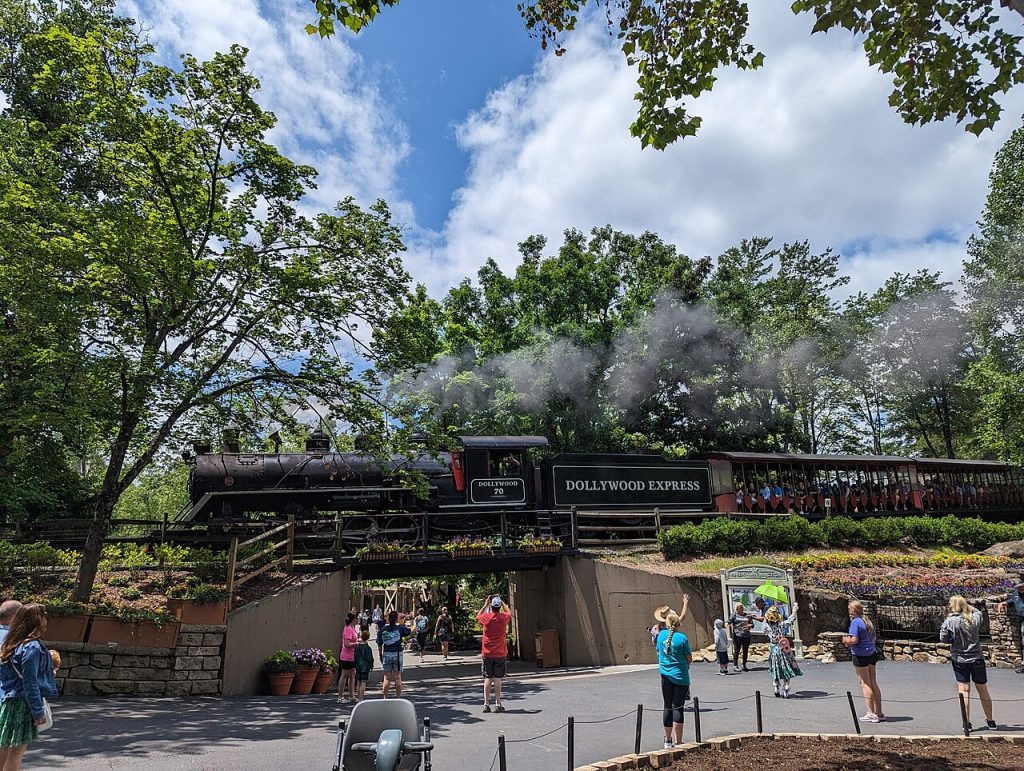
Dollywood opened in 1986, built over the bones of an older park in Pigeon Forge. She could have slapped her name on a steakhouse in Branson and cashed the checks. Instead she put it on a place that hired the people she had grown up alongside, and the park stayed open the week she died because, her team said, she wanted the show to go on. I believe them. She took a job in Sevier County as seriously as a chart position in Nashville, and she said as much for forty years running.
The Imagination Library started in 1995, in her own home county, before it was anything national. A book a month in the mail for every child signed up, from birth to age five, no income test and no strings. It grew the way it did because she refused to keep it a local kindness. By the last figure I trust, it had mailed well past two hundred million books, and I am not going to pretend I counted them. What I can tell you is what it meant. A kid in a house without a single shelf still got an envelope with a brand-new book in it and her name inside the cover. Nobody calls literacy glamorous. She made it feel like a package from a favorite aunt.
In 2020 she put up a million dollars for research at Vanderbilt that fed into what became the Moderna vaccine, and then she rolled up her sleeve on camera and cracked a joke about it, so that nobody would have to thank her in some solemn key that would have made her squirm. That was her move for a lifetime. She would do the enormous thing and then knock over her own statue before anyone could finish putting it up.
She was still building right to the end. There was a truck stop going up in Cornersville, a SongTeller Hotel in Nashville, a museum she called the Life of Many Colors, and a Broadway musical, Dolly: A True Original, set to open on January 19, 2027, the day she would have turned 81. Her manager, Danny Nozell, said this week that she worked almost to the last and had already handpicked the people who would carry the plans forward. That tracks. She never did learn how to retire. She knew how to leave instructions.
Carl Thomas Dean married her in 1966 and then spent fifty-nine years politely declining the spotlight she lived inside. He died in the spring of 2025. Afterward she admitted she had let her own health slide while she was busy watching over him, and I know that sentence from the inside; anyone who has sat up nights with someone they love knows it. She loved one man in private and the rest of us out loud, and both of those were the real thing. They never had to compete for the room.
The door she kept open
This is the part I could not leave out, and it is the part that made me hold the file in the first place. It is not the whole of who she was. But it is the piece of her that belongs, in a particular way, to people like me.
Understand where she was standing. Dolly Parton was a country superstar out of a Baptist holler, at the height of her fame in the exact decades when being openly gay could still cost a person their job, their family, or their life, and when her own industry treated us as a punchline on a good day. She had every commercial reason on earth to say nothing. She said the opposite, she said it early, and she never took it back.
In 1984, while AIDS was teaching a frightened country to back away from us, she sat down with Andy Warhol and said, flatly, that people are people, that she had a huge gay following she was proud of, and that what anyone did in their own bedroom was no business of hers as long as they extended her the same courtesy. In 1991 she wrote a song called “Family,” put the gay relatives right into it, and drew the line where she always drew it: not a one of them turned away.
She was for marriage equality years ahead of the Supreme Court. When a guest at Dollywood’s Splash Country was told in 2011 to turn a marriage-equality T-shirt inside out, she apologized in public and said every family was welcome on her property. She wrote “Travelin’ Thru” in 2005 for a film about a transgender woman, and she stood by the song when the awards attention brought threats to her door. Asked in 2016 about North Carolina’s bathroom law, she waved it off with a joke that landed like a ruling: if she had to go, she was going wherever she had to. And in 2023, after her own state of Tennessee passed a run of bills aimed at transgender people, she told The Hollywood Reporter that she had transgender people, gay men, and lesbians in her family and on her payroll, that she loved every one of them, and that sitting in judgment was not her job. Snopes went and checked that one. The quote is hers.
She liked to say that if she had not been born a woman she would have made a fine drag queen, and most people file that under Dolly being Dolly. I file it under a woman who understood that her whole glittering getup was a costume she chose, and who was never going to stand there in her own rhinestones and sneer at anyone else for choosing theirs.
She did not wait for a poll to tell her it was safe, and she did not wait for a court to make it legal. She reached for the same plain decency toward a gay teenager in her theme park that she reached for with a toddler getting a book in the mail and a laid-off neighbor who needed a shift in Pigeon Forge. That is what I mean when I say humankind. With Dolly it was never a slogan. It was a habit she practiced out loud, in front of everybody, for forty years.
You have to understand what that was worth to us. For a lot of gay and transgender people, the first voice we ever heard from that world, the country-and-church world we were so often told we did not belong in, telling us we were fine exactly as we were, belonged to Dolly. She was not some coastal celebrity for whom the position cost nothing. She was Tennessee’s own, and she spent that standing to hold a door open. A fair number of us walked through it a little less afraid than we would have been without her.
Country music did not always make that easy on her. She never left the church language she was raised in; she just spent it on welcome instead of judgment. When Dolly said we are all God’s children, it never read as a dodge or a press line. It was the one piece of theology she was actually willing to cash, standing in front of an audience that did not always want to hear it.
Why she matter(s)ed to me
I live in Florida, I am married to a man, and I have sat in enough rooms while other people decided out loud whose family counted. Dolly came up in a world that gave her every reason to learn that same flinch, and she simply declined the lesson. That is why she was a hero to me, and it is why this one landed harder than a celebrity death usually does.
The rest of the reason is simpler. She made useful, beautiful things that outlast her. Songs you can carry around for a lifetime. A park that meets a payroll every Friday. A book in a child’s mailbox, a shot in a frightened arm, a joke to cut the tension when a room got too solemn. She liked people, including the ones her own genre was never quite sure it liked, and she never once asked any of us to show up pre-approved.
We are not exactly swimming in that. We will miss her the way you miss the rare person who actually shows up for the plain human business of it: a kid who needed a story, a worker who needed a shift, a sick person who needed the research paid for, and a family that needed to hear, from somebody it already loved, that it was still a family.
The conversation has to go on now without her voice on the other end of the line. The work she left behind does not. That was the bargain she spent a lifetime keeping, all the way from a tar-paper cabin in Locust Ridge to a hospital room in Nashville, and she kept her end of it right up to Tuesday.
Related from HeadLines Decoded: A lighthouse on a winter night.
- Family announcement, August 25, 2026, nephew Bryan Seaver. Representatives: death at Vanderbilt-Ingram Cancer Center after a brief battle with cancer, surrounded by loved ones. Type not disclosed.
- Birth and early life: January 19, 1946, Sevier County; Nashville, 1964; Porter Wagoner years; “Coat of Many Colors,” 1971; “Jolene” and “I Will Always Love You,” 1973-74; 9 to 5, 1980.
- Dollywood, Pigeon Forge, opened 1986. Park statement August 2026 that it would remain open as she wanted.
- Dolly Parton’s Imagination Library, founded 1995 in Sevier County, later expanded worldwide.
- Vanderbilt University Medical Center / Moderna research gift, 2020, $1 million, publicly discussed by Parton when she received the vaccine.
- Carl Thomas Dean, married May 30, 1966; died March 2025. Parton’s August 21, 2026, remarks to People on her health and on caring for him.
- LGBTQ record: Interview magazine, Andy Warhol, 1984; “Family,” 1991; Dollywood Splash Country T-shirt apology, 2011; “Travelin’ Thru,” 2005; marriage-equality comments, 2009 and 2014; Larry King and CNN on the North Carolina bathroom bill, 2016; The Hollywood Reporter, November 2, 2023, verified by Snopes, March 2, 2025.
- Manager Danny Nozell, August 26, 2026, on the project roadmap, the SongTeller Hotel, the museum, and the Broadway opening set for January 19, 2027.
Editor written. AI used for spelling and grammar only.