So You Found a Cheap Cruise. Here’s How to Make It a Great Trip.
Fares really do fall as a ship fills up. What you hand back for the discount is the right to choose where you sleep for seven nights.

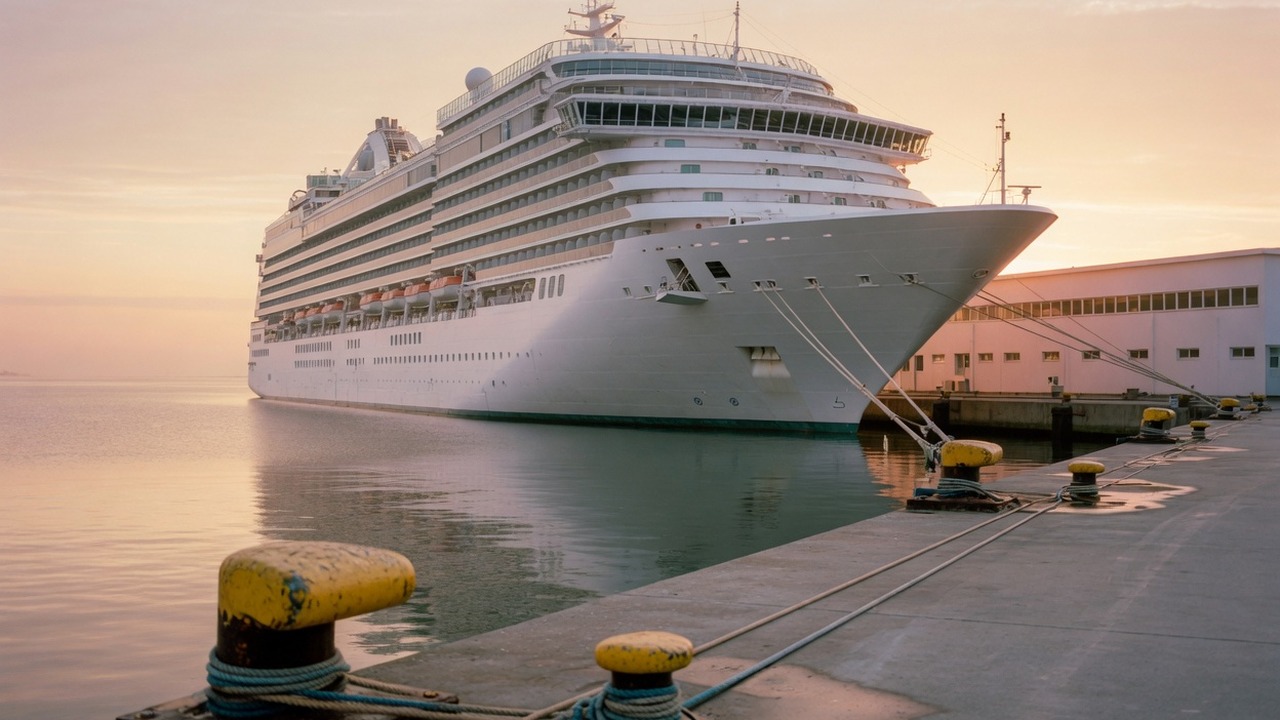
Credit: AI-generated illustration. HeadLines Decoded. · HeadLines Decoded LLC
Illustration generated with AI.
You weren’t planning a vacation this morning. Then a seven-night Caribbean sailing turned up at $299 a person, and now you have sixteen browser tabs open and a spreadsheet that stretches for miles.
Here’s the good news. That fare is usually real. Cruise lines are not running a trick on you, they’re running out of time, and there is a way to take advantage of that without ending up somewhere you didn’t expect. It takes about ten minutes of homework. Let’s walk through it.
Why the price drops, and why that helps you
A cruise cabin is the most perishable thing in travel. A hotel can sell tonight’s empty room again tomorrow. A cabin has no tomorrow, because the ship sails either way, and the person in it will also buy coffee and excursions and a photo at dinner. So as the calendar closes in, the line would much rather sell you that room cheap than watch it leave the dock empty.
Somebody put real numbers to this. An analysis of more than 2.6 million fare snapshots, across nine cruise lines and over 75 ships, found that among sailings whose price moved at all, the discount got deeper the closer the ship got to leaving.
Look at the middle bar, because that is the sweet spot most people miss. Waiting until the last month buys you about six more percentage points than booking at two months out. Booking at two months out buys you something else: a ship that still has rooms in it. More on why that matters in a minute.
Pick the right week and the math does the work
Here’s the single biggest lever you have, and it costs nothing: choose a week nobody else wants.
Ships are sailing full right now. Royal Caribbean posted a 109 percent load factor in the spring of 2025, which is the industry’s way of saying the ships left with more than two people in a lot of the rooms. On a sailing like that, prices do not fall late. They climb.
You can watch it happen in the same month. Icon of the Seas leaving December 20 had inside cabins at $2,601 two weeks out, about 11 percent above that sailing’s own average, when the same cabin had been $1,600 back in mid-July. Waiting cost about a thousand dollars a person. Two weeks earlier, a quiet late-November departure on Grandeur of the Seas was going for $244 a person for seven nights, 58 percent below its average.
Same company, same season, prices heading opposite directions. What decided it was whether anyone else wanted that week. So if you can shift a few days into shoulder season, early December, or the stretch after New Year, you’re shopping where the discounts actually are.
What a guarantee cabin really is
Now the three letters you will see on the cheapest fare: GTY, for guarantee. Worth understanding before you click, because it’s where most of the surprise lives.
When you book a guarantee, you are buying a category rather than a room. Royal Caribbean’s own FAQ puts it plainly: the exact stateroom, its number and its location on the ship “will be allocated by us (at our discretion),” and that can happen any time right up until you check in at the port. The page also notes that what you get may have an obstructed view.
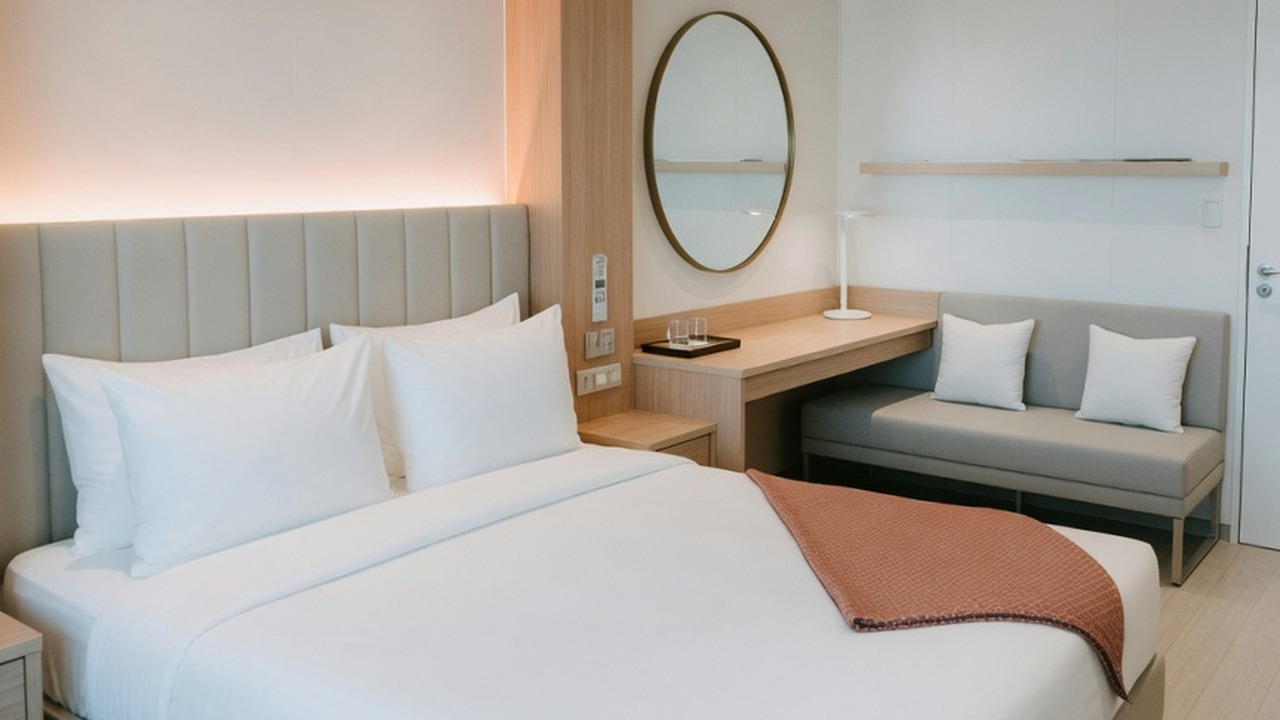
None of this is a trap, and plenty of people book guarantees happily every week. You’re on the ship and you get the same food and the same ports as everyone else. If you’re the sort of traveler who treats the cabin as somewhere to sleep and shower, this is free money.
What you’re trading away is choice. Once the assignment lands it’s generally yours to keep, and the free bump to a nicer category does happen, just not often enough to plan around. Most guarantee passengers get exactly the category they paid for, in whichever room was left.
Give the deck plan two minutes
This one costs nothing and almost nobody does it before booking, only after.
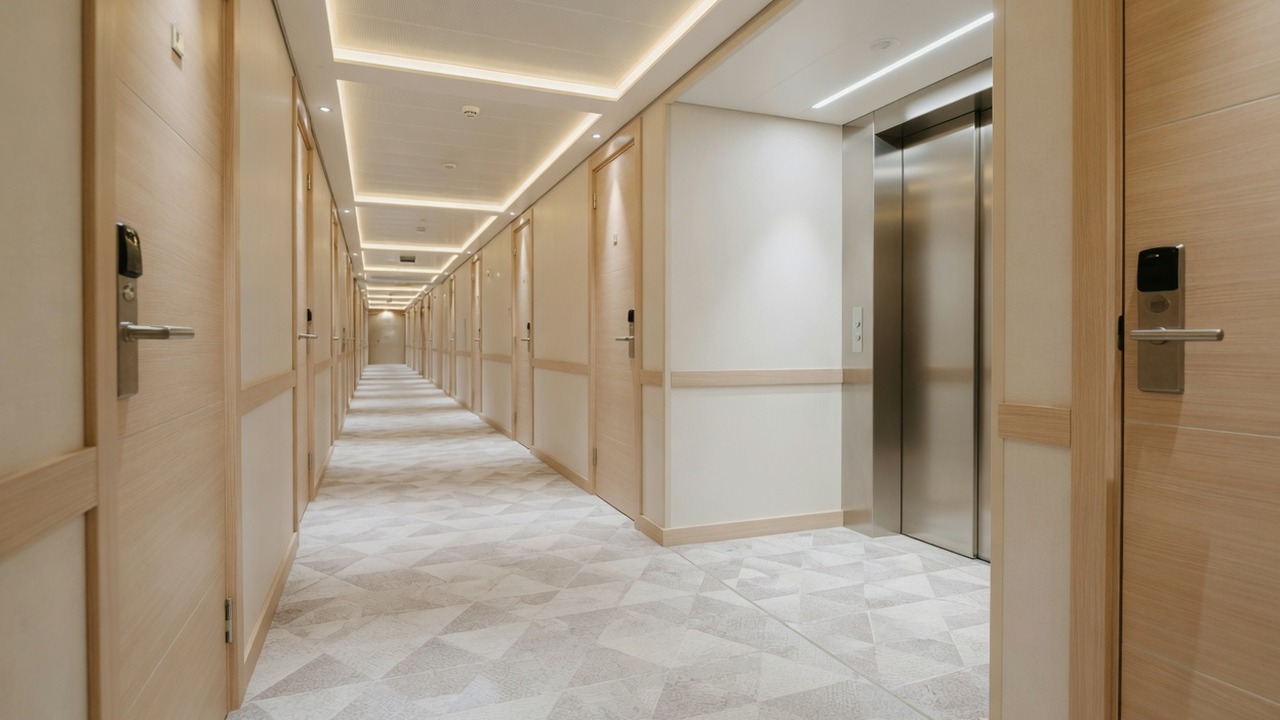
Pull up the ship’s deck plan and find the block of rooms your category sits in. Then look at what is directly above it and directly below it. A cabin under the pool deck means deck chairs being dragged across the floor above your head at six in the morning. A cabin over a lounge means a band until midnight. Rooms stacked against an elevator bank get foot traffic, and rooms right at the front feel every wave.
Two minutes of scrolling tells you what your worst case sounds like. If it looks fine, book the guarantee with a clear conscience. If your category only exists in one alarming spot, pay the small difference for an assigned room and sleep well. That’s the whole decision, and you can make it before you spend a dollar.
Add up the real number
One last piece of arithmetic, and then you’re done.
Gratuities are the line item people forget, and they are not really optional. Royal Caribbean charges $18.50 per person per day in standard rooms and $20.50 in suites. Celebrity moved its standard rate to $19.50 on July 29, 2026. On a seven-night sailing for two in a standard cabin at Royal Caribbean’s rate, that is $259 before anybody orders a drink. Taxes and port fees are separate again and change with the itinerary.
So the $299 fare is really a $558 cabin for two, plus gratuities, plus taxes and fees. That’s often still an excellent price for a week at sea. It’s just a different number from the one on the banner, and it is the one to compare against.
Five questions before you book
Run through these and you will know quickly whether the deal in front of you is the right one for the trip you actually want.
- Can I move my dates? If yes, shop shoulder weeks first, because that is where the real discounts sit.
- Am I happy in an interior room, or does daylight matter to me on this particular trip?
- What sits directly above and below my category on the deck plan?
- What is the gap between the guarantee and an assigned room? If it is small and location matters to me, that is cheap peace of mind.
- What is the all-in total with gratuities, taxes and port fees, and how does it compare with the assigned-cabin fare?
Go book it
Last-minute cruise pricing is one of the few places in travel where waiting actually pays you. The discount is real, the ship is the same ship, and the food and the ports and the sunset off the back rail don’t know what you paid.
All you’re really deciding is how much the right room is worth to you, and now you know how to answer it before you book instead of after. Ten minutes with a deck plan and a calculator, and the rest of it is just a week at sea.
- Royal Caribbean (official FAQ) – what a guarantee stateroom is: the line allocates the exact room at its discretion, any time up to port check-in, and it may be obstructed
- All Aboard Deals – analysis of 2.6 million-plus fare snapshots across nine lines and 75-plus ships: average price drop by booking window
- Royal Caribbean Blog – when late fares rise instead of falling: the Icon of the Seas holiday example, the Grandeur of the Seas discount, and the 109 percent load factor
- Royal Caribbean Blog – current automatic gratuity rates: Royal Caribbean at $18.50 and $20.50 per person per day, Celebrity raised to $19.50 on July 29, 2026
- Cruise.Blog – the practical side of a guarantee cabin: elevator banks, forward motion, the lido deck above you, and how rarely a free category upgrade happens
Editor written. AI used for spelling and grammar only.