Patagonia’s New Luxury Lodges Promise Authentic Adventure. What They’re Really Selling.
Patagonia's new lodges promise authentic adventure. What is actually for sale is access, and access has a price.

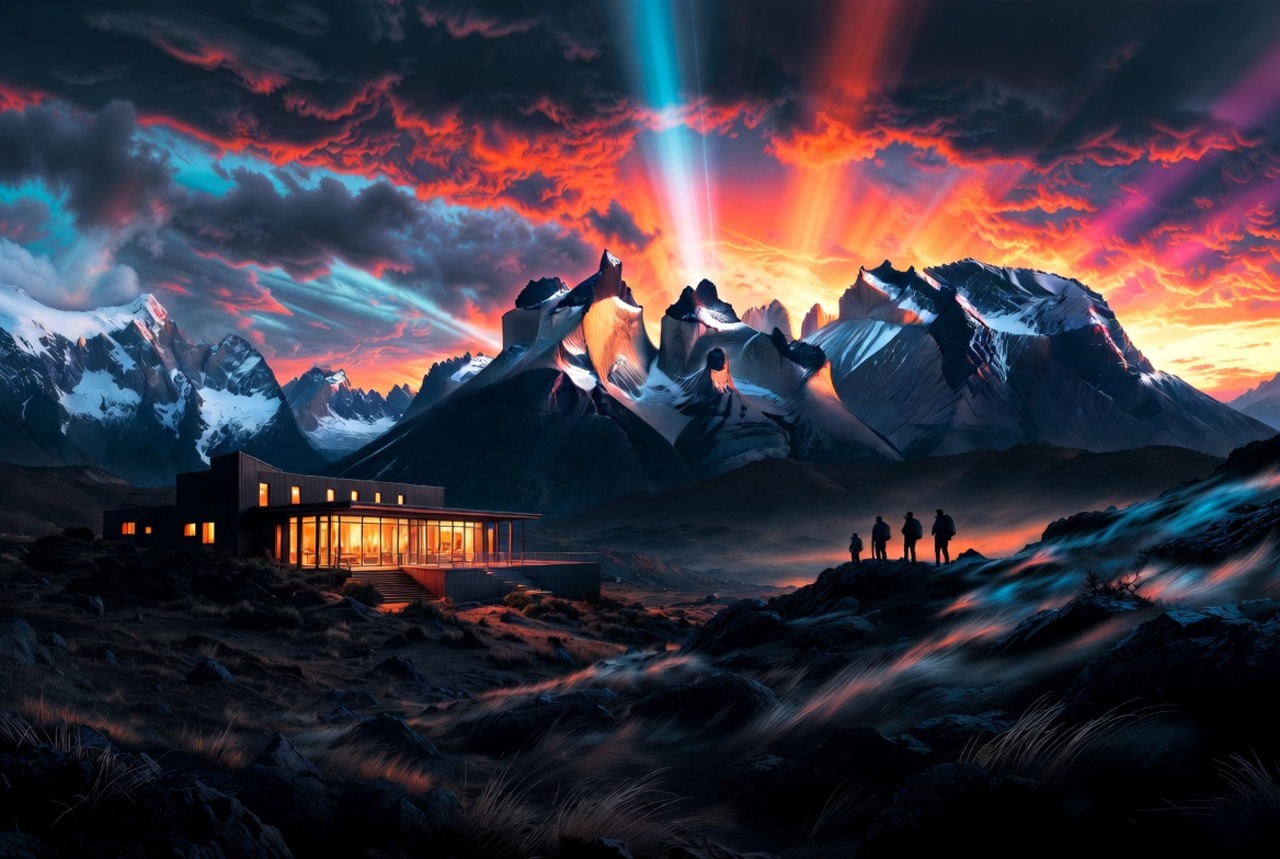
Explora will open two new lodges in December 2026, joining a fast-growing ring of high-end camps around Torres del Paine. The scenery is real and so is the guiding. So is the mediation. What these properties sell is luxury access to wilderness, not wilderness on its own terms.
The wind in Torres del Paine doesn’t ask permission. It barrels across the steppe, bends the hardy ñire trees, and carries the sharp, clean scent of glacial melt and wild grasses. For generations, this remote corner of Chilean and Argentine Patagonia has drawn gauchos, scientists, backpackers, and a handful of dreamers who came to test themselves against one of the planet’s most unforgiving and beautiful terrain.
A new chapter opens in December 2026, when the luxury travel company Explora begins welcoming guests at two new lodges. Explora El Calafate, designed by Chilean architect José Cruz Ovalle, sits on a 70,000-hectare working estancia near Lake Argentino, about 30 kilometers from the town of El Calafate in Argentine Patagonia, with 20 rooms and a menu of more than 30 guided excursions reaching toward the Perito Moreno Glacier. Across the border in Chile, Explora Torres del Paine Conservation Reserve puts just 10 rooms inside the company’s private reserve bordering the national park, with programming built around restoration work and applied science. They join an established roster of high-end properties, including Awasi and Tierra Patagonia, plus the working estancia Cerro Guido, that all market a version of the same promise: authentic adventure in extraordinary comfort.
But what does “authentic adventure” actually look like when your base is a glass-walled suite with underfloor heating, a private guide, and a menu of local Patagonian lamb and fine Chilean wines? Is this a genuine connection to wild nature, or a beautifully packaged, highly mediated version of it? And as more luxury lodges open in one of the world’s most climate-vulnerable regions, what are the real tradeoffs?
What the New Lodges Are Actually Selling
Take the operators’ case at full strength, because it is a real one. Explora has refined its model over three decades: small, all-inclusive lodges, expert local guides, and an emphasis on exploration rather than passive sightseeing. The scenery is genuinely spectacular, and the excursions are grounded in the actual geography and ecology of Patagonia. Many operators employ and train local guides, source ingredients regionally, and have put money into conservation on their own land or alongside organizations like the Tompkins Conservation legacy projects. The new 10-room reserve lodge is explicitly framed around restoration science, in a private refuge where the operator reports wildlife returning.
Other properties lean into different flavors of authenticity. Estancia Cerro Guido, a working ranch of more than 100,000 hectares near Torres del Paine, lets guests engage with gaucho culture, join conservation initiatives like its puma-coexistence project, and experience ranch life next to luxury amenities. Reviewers frequently praise it for balancing rustic heritage and high-end comfort better than some purpose-built lodges.
The all-inclusive model
Most top-tier Patagonia lodges bundle everything: accommodation, meals, drinks including premium wines, plus transfers and daily guided excursions. That removes logistical friction and hidden costs. It also means the experience is almost entirely shaped by the operator’s choices of what “authentic” looks like on any given day.
Where “Authentic” Starts to Fray
The word “authentic” does heavy lifting in travel marketing. Here it signals four things: a location inside or beside protected areas, real physical engagement with the terrain, encounters with local culture, and a sense of remoteness with fewer crowds. For guests who can afford them, the lodges largely deliver on the first three.
The promise frays at curation and comfort. The adventure is guided and scheduled, every part of it supported. You will not plot your own route with a paper map or carry your own tent unless you specifically request a more rugged option. When the weather turns savage, and in Patagonia it will, you return to a warm lodge rather than a wet tent. The gaucho experience is real but framed for visitors. None of this is a criticism of comfort. It is an observation about the product: what is being sold is luxury adventure. Not hardship, and not unmediated wilderness.
The larger questions are harder to quantify. How much pressure do these lodges and their guests add to popular trails and wildlife? What is the true carbon cost of flying guests from North America, Europe, or Asia to one of the most remote regions on Earth, and does the “regenerative” framing honestly account for it? Are the conservation benefits additional and verifiable, or partly marketing? Independent, transparent auditing of such claims is still rare in the luxury segment.
Last-chance tourism
Some Patagonia marketing leans on seeing it “before it’s gone.” That framing can accelerate visitation to already pressured places while manufacturing urgency that benefits operators. Responsible operators sell long-term stewardship, not a countdown.
Who Gets In, and Who Doesn’t
These experiences are expensive. Peak-season all-inclusive rates at the top lodges routinely run to thousands of dollars per person per night once the full package is counted. That is adventure travel for a specific demographic: affluent travelers who value comfort and expert guidance, plus smooth logistics alongside natural beauty.
Exclusivity has consequences. It limits who gets to form a personal relationship with these places, and it concentrates the economic benefits among those who can pay and the operators and staff who serve them. At the same time, the model can generate real revenue for conservation and local economies in ways that mass backpacker tourism sometimes does not.
Our Take
If you are drawn to one of these lodges, the honest framing is this: you will have extraordinary access to some of the most dramatic scenery on Earth, you will be well cared for, you will learn from knowledgeable guides, and you will put money into the region and, in many cases, into specific conservation work. You will not be having the same experience as the solo trekker who carries everything for a week, sleeps in refugios or a tent, and makes their own route decisions. Both have value. They are different products, and the best operators say so plainly.
“These new lodges deliver authentic Patagonian adventure.”
The scenery and the guiding, and much of the conservation work are real. But the product is curated, supported access with a warm bed at the end of it, and independent verification of the sustainability claims is still rare. Authentic comfort in an authentic place, yes. Unmediated wilderness, no. Marketing that says otherwise is selling the word, not the experience.
For those planning a trip: look past the photography and ask specific questions. What conservation outcomes can the lodge document? How are guides trained and paid? What happens to waste and energy? How does the property work with the communities around it? The most authentic experiences may be the ones that leave the landscape better than they found it, and that invite more people into the conversation about its future, not fewer.
The same question turns up at sea, where the discount is real and the trade is the room you get: So You Found a Cheap Cruise. Here’s How to Make It a Great Trip..
- Explora, Lodge El Calafate and the announcement of the El Calafate and Torres del Paine Conservation Reserve lodges. Room counts, locations, and December 2026 opening dates.
- Swoop Patagonia, independent overview of Explora El Calafate. Third-party detail on the estancia and the excursion program.
- Estancia Cerro Guido, operator information on the working ranch and its puma-coexistence project.
- Knowmad Adventures and other specialized Patagonia outfitters, independent reviews of the luxury lodge segment.
- Tompkins Conservation, background on private conservation in Chilean and Argentine Patagonia.
Lodge details, room counts, and opening dates were checked against Explora’s own published announcements in July 2026. Rates are the operators’ published peak-season all-inclusive prices, described in ranges. Sustainability claims are the operators’ own except where an independent source is named.
at the versions shown. What this means
Editor written. AI used for spelling and grammar only.