Decode Your Wellbeing: The Truth About Mitochondria, Your Cellular Power Plants
The organelle that turned into a wellness brand. What mitochondria actually do, and what you can honestly do about them.

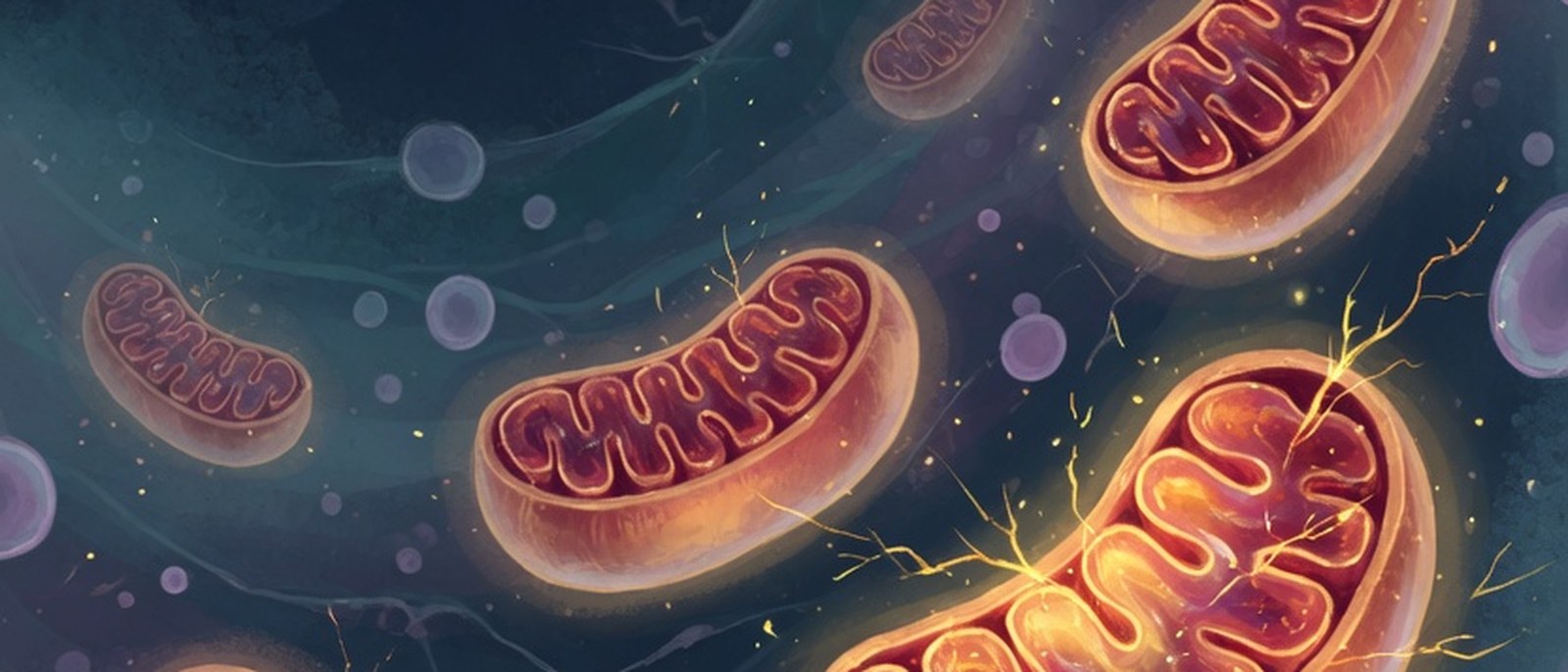
Credit: AI-generated illustration. · HeadLines Decoded LLC
Illustration generated with AI (Grok).
Editor’s note. This is a report on published research as of July 19, 2026. It is journalism, not medical advice, and not a recommendation for any supplement or therapy. Talk to a physician before changing what you take.
In 1967, an American physiologist named John Holloszy ran a group of rats through weeks of endurance training and found that the machinery inside their muscle that turns food into energy had nearly doubled. Almost sixty years later, that is still the most dependable way anyone has found to rebuild aging mitochondria. Not a pill. Exercise.
That is worth holding onto, because mitochondria have become one of the most marketed ideas in the supplement aisle, and the gap between what the biology shows and what the bottles promise is wide.
- Mitochondria produce most of the body’s usable energy, and their function tends to decline with age, which is tied to fatigue, weaker muscle, and several age-related diseases.
- Lab work can now clear damaged mitochondrial DNA in experimental models, but that research is older and earlier-stage than the headlines suggest.
- Exercise is the only firmly established way to improve mitochondrial function in humans.
- Popular mitochondrial supplements show, at best, modest and inconsistent benefits. Some show none.
Why these structures matter for aging
Mitochondria are often called the power plants of the cell, and the cliche is earned. They convert food and oxygen into ATP, the fuel every cell spends. They are also unusual: they carry their own small loop of DNA, a relic of the bacteria they descend from, and that DNA is more exposed to damage than the genome in the nucleus. As damage accumulates, mitochondria make less energy and more harmful byproducts. That decline is linked to weaker muscles, slower recovery, and higher risk of several conditions of age, which is why many researchers place mitochondrial dysfunction among the core drivers of aging.
If you could keep mitochondria young, you might slow a whole cluster of age-related decline at once. That is the theory driving a large and profitable market. The evidence for the pills in that market is far thinner than the theory, and telling the two apart is the point of this piece.
What the lab has actually shown
The most eye-catching mitochondrial result is a method for selectively removing damaged mitochondrial DNA by revving up the cell’s own cleanup system. It is real, and it is striking: researchers cleared roughly 95 percent of the damaged copies. It is also frequently misdated. The work comes from a 2016 UCLA and Caltech study, and it was done in fruit flies, not people. It points to a possible future route to better mitochondrial quality. It is not a therapy, and it is not new.
Other groups are working on ways to build new mitochondria, clear damaged ones, or protect their membranes. The science is genuine and early. None of it has produced a treatment that improves human healthspan in everyday life.
The supplement reality check
Two families of compounds dominate the mitochondrial shelf, and both have now been tested in humans well enough to judge. The first is urolithin A, a compound the gut makes from pomegranates and berries that nudges cells to recycle damaged mitochondria. In a 2022 trial in JAMA Network Open, older adults who took 1,000 milligrams a day for four months did not beat placebo on the study’s main goals, a six-minute walk and peak energy production. A secondary measure of muscle endurance improved at the two-month mark, then faded as placebo caught up. The honest summary is a real but modest and inconsistent signal.
Nicotinamide riboside and NMN reliably raise blood levels of NAD+, a molecule central to energy metabolism. But a 2025 meta-analysis of ten trials in older adults found no significant benefit for muscle mass, grip strength, walking speed, or the ability to rise from a chair. Raising the marker has not translated into helping the person. NMN also spent years in United States regulatory limbo before the FDA reinstated its status as a legal supplement in late 2025.
What does work
Set against that, exercise looks almost unfairly effective. Endurance and interval training switch on a master regulator called PGC-1alpha, and within weeks the amount and efficiency of mitochondria in trained muscle rises, often by a quarter or more. It is one of the clearest adaptations in all of physiology, it works across age groups, and it costs nothing. Sleep supports the same machinery, and chronic sleep disruption is tied to reduced mitochondrial efficiency.
So the practical picture is tidy, if unexciting. The best-supported way to keep your cellular power plants running is to use them: move with intensity, recover well, and let the biology do what training has always made it do. The laboratory advances are worth watching. They are not yet worth buying.
HeadLines Decoded reports on the science of aging. We do not offer medical advice. Talk to a qualified clinician before starting or stopping any supplement.
- Kandul et al., selective clearance of mutant mitochondrial DNA (UCLA/Caltech), Nature Communications, 2016. UCLA summary.
- Liu et al., urolithin A and muscle function in older adults, JAMA Network Open, 2022. Link.
- Andreux et al., urolithin A first-in-human study, Nature Metabolism, 2019. Link.
- Meta-analysis of NR and NMN in older adults, 2025. Link.
- MacInnis & Gibala, adaptations to training, Journal of Physiology, 2017. Link.
Editor written. AI used for spelling and grammar only.