Build the data centers. Just not in the living room.
An opinion. The data centers are necessary, and a necessary thing can still be a bad neighbor. Plan the slab, and make the load bring its own new power.
 Todd Ruffner-Schoenfeld
Editor in chief. A knack for the fine print, and likes it.
Todd Ruffner-Schoenfeld
Editor in chief. A knack for the fine print, and likes it.
We are not going back
We are not returning to a world without large compute. The models, the hospital software, the freight systems, the boring cloud that already holds a decade of your photos: that load is not a press release, and it is not going away because a county said no. If we refuse every site, we do not stop the demand. We export the slab to a state that will take it, and then we import the bill anyway, because the regional power market bills every county on the grid, whatever one county’s zoning map says. I would rather plan the slab than pretend the demand is optional. Pretending is how you end up with the worst version of this, the surprise version, the one that shows up already poured.
Planning is the word
Planning is the word I want on the table, and it is the one that keeps getting left off. Not a surprise annexation on a residential road. Not a 24-hour machine next to a school’s air intake. I have heard the noise from one of these described as deafening, and that is not poetry; it is fans and generators and a building that never clocks out. The water is not poetry either. Neither is a substation sized for a town and then asked to feed a factory that does not make a single thing you can hold. Stretch the power and the water and the quiet of a place to the brink, and you have not hosted the future. You have hosted a failure with a ribbon on it.
Put them where the wire can take them
So put them where the land and the wire can already take them. Industrial parks. Retired generating sites that still have the transmission running to them. Places that already hum, where a big humming box is not a shock to anybody’s evening. Require the study before the rezoning, not after the pile driver is on site. That is not a personality or a political team. That is just a county that still remembers what a comprehensive plan was for. Half the fights in this series happened because the sequence got reversed: the yes came first, and the questions came to the next meeting, after the leverage was gone.
Make the load bring the power
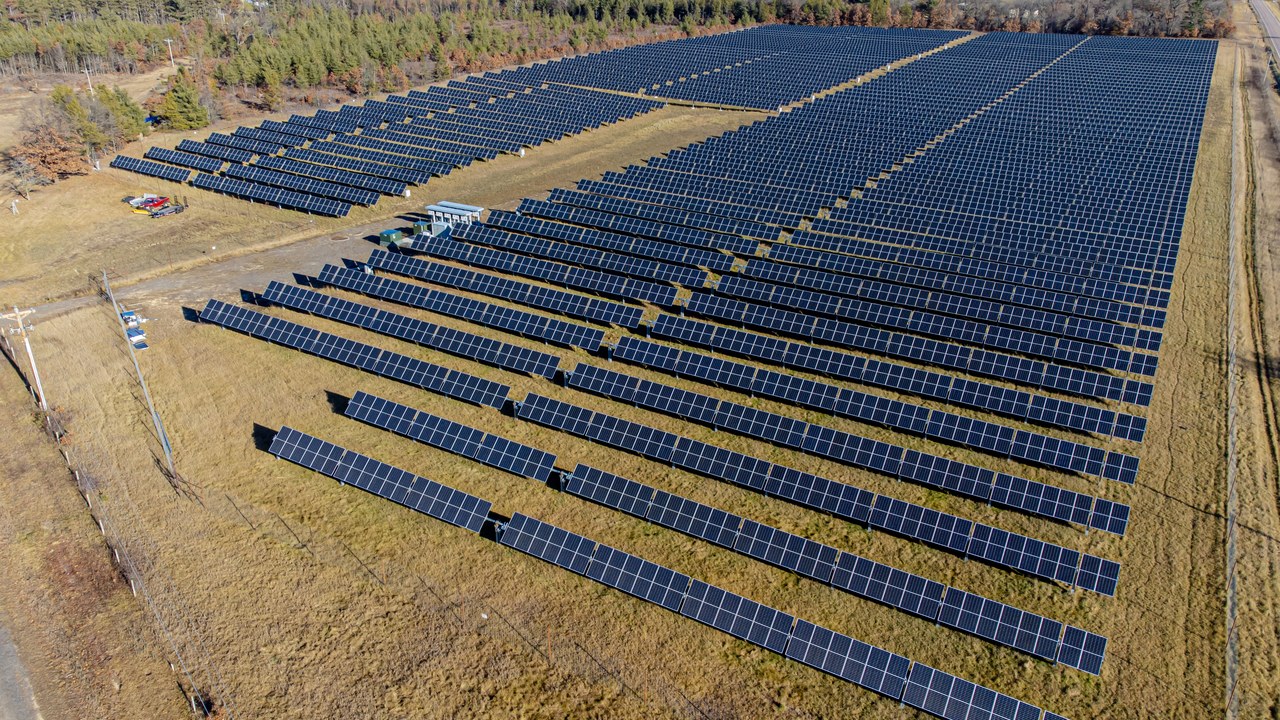
The opportunity is the other half of this, and I mean it as more than a slogan. On-site solar and storage where the acreage is real. A rule that new load has to bring new generation, not just a claim on last year’s power plant. The trailer-sized reactors people keep talking about, the small modular units, are not a fleet on the ground yet; they are a condition you can write into a deal instead of a promise you take on faith. If you want the megawatts, you help stand up firm power on a published timetable, or you do not get the abatement. Fusion is further out than any of it. Fine. Write an escrow. A set sum each year into a public development fund with a report attached. If the physics slips, the county still has the cash and the generation clause. If the physics lands, we were the customers who paid for the attempt instead of the ones who only paid for the diesel permit.
Treat it as a planning problem
None of that is free, and none of it is guaranteed. It is still a better deal than “yes, and good luck with the well.” I would rather live in the decade that tried to attach new load to new supply than in the decade that called every warehouse full of racks a patriotic errand and then acted shocked when the meter moved. It is a great time to be alive if we treat this boom as a planning problem instead of a loyalty test. The machines are coming either way. The only real question is whether we put them on the edge of town with power that belongs to the same decade, or in the middle of the night next to somebody’s bedroom. I know which one I am for. The next and final part is not mine. I asked the AI that helped report this series to write its own honest take, in its own voice, and to sign it.
- This is an opinion column; its factual claims rest on the reporting in the earlier parts of this series. See the full series hub for the sourcing on bills, water, jobs, and the regulatory picture.
- On new-load-brings-new-generation and small modular reactors as an emerging (not yet deployed at fleet scale) firm-power option. U.S. Energy Information Administration.
- On large-load tariffs that require a data center to commit to and help fund the power it draws, such as Virginia’s GS-5. Virginia SCC.