Why We Read Our Own Site Like Strangers
We graded ourselves an A this week. The first thing the audit found was that the audit itself had quietly stopped running, and nobody noticed.

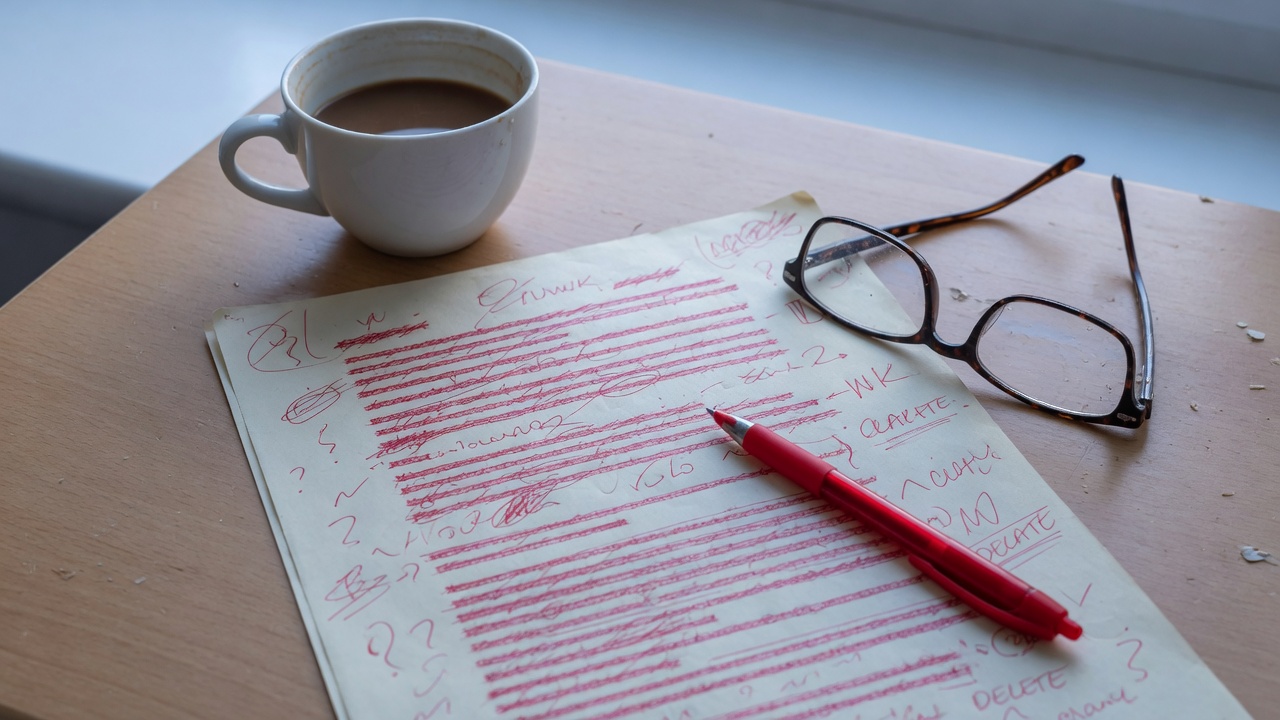
Credit: AI-generated illustration. HeadLines Decoded. · HeadLines Decoded LLC
Illustration generated with AI.
Every Monday, before most of our readers are awake, this site gets read by someone with no reason to be kind to it. Not the writer, not the editor, a stranger with a checklist. The checklist is not about search rankings or tidy headlines. It asks one question, page by page: did these people actually do what they told you they do? Here is the honest answer for this week.
We will start where it stings, because the first thing you should know about a source is whether it admits its own misses. This page calls itself weekly. It went a full week without changing, and it sat here the whole time looking current when it was not. We could have quietly fixed the date and moved on. We are telling you instead, because a page that grades our honesty is worthless if it lies about itself.
Do the facts still check?
This is the one that matters most, so we check it first. The rule is simple and not up for debate: before a story publishes, every load-bearing fact in it gets traced to a real source, not to memory, and not to another article that was also working from memory. This week’s Top Story, on the country’s emergency oil reserve, is a fair test. The dramatic figure in it, that the reserve fell to 298.7 million barrels, we did not take on faith. We reconciled it against two separate reports until the numbers agreed. The claim that the oil is leaving under an exchange, to be paid back later, we checked against the Energy Department’s own words for it. When we re-read this week’s biggest stories with a skeptic’s eye, the facts held, and nothing needed a correction. On the weeks something does, you will read about it here first.
We say we use primary sources. Does that hold up?
We tell you our stories rest on primary sources, the actual filing, the agency, the study, and that we link them so you can check our work instead of taking our word for it. This week the stranger held us to that promise. On our newest stories, the source lists link out to the real thing. On some older ones, we found sources named but not linked, a citation you could read but not click. That is not good enough for a site that asks you to verify it, so we are going back through and making those links real. If you land on one that still does not click, that is a gap we have not reached yet, not a source we cannot produce.
Is a person actually behind the writing?
You have every reason to wonder whether what you are reading was written by a person or generated by a machine and dressed up to look human. So we test our own work for it. A health piece scheduled this week was accurate and still read like a textbook, and a detector we ran flagged it as machine-made. We did not argue with the reader who would feel the same way. We rewrote it in plain language, the way one of us would explain it at the kitchen table, and we changed not one fact and invented not one detail to make it feel warmer. A warm voice is only worth something if everything inside it is still true.
Are the pictures honest?
A picture can mislead faster than a sentence. So the rule is plain. If an image was made by AI, we say so right under it. If it is a real photograph, we tell you whose it is and that we have the right to use it. That held this week. No AI image went out pretending to be a photograph, and no photograph went out stripped of its credit.
You will notice this audit is not a list of technical chores. Those exist, and we keep them on our own bench. This page is for the only question that decides whether we are worth your trust: when we say we checked, did we, and when we slip, do we tell you. This week the facts held, the older sources are getting honest links, the writing stayed human, and the pictures stayed truthful. The miss was this page going quiet for a week. We are calling it a B, and we would rather earn the A back than hand it to ourselves.
Editor written. AI used for spelling and grammar only.