The warning and the doubt are both American
Five days apart, the same U.S. government told NATO two opposite things: be ready for Russia, and do not worry about Russia. Which sentence to believe is not even the hard part. The hard part is the question underneath both of them, the one nobody can answer yet: if Russia tests the treaty, would Washington be there?

In an interview published this week, Matt Whitaker, the U.S. permanent representative to NATO, told allies from the alliance’s Brussels headquarters to train and spend as if Vladimir Putin might test them. “You can’t predict what Vladimir Putin’s going to do or any adversary,” he said. “All you can do is be prepared for it and deter and make it not worth their time to make that move.” He pointed at Ukraine as proof that this adversary does invade.
Five days earlier, from the same government, the opposite sentence. President Trump told Axios he was not worried at all, that there was no problem, and that Russia was “not going to attack NATO territory.” Same alliance, same month, two American voices that do not match. Before you can ask whether Europe is ignoring the warning, you have to notice that the warning is arguing with itself.
The intelligence picture underneath all this is specific. The Journal’s account described a limited Russian move, not a march on Poland: a hybrid-warfare campaign, a small land grab on the eastern flank, or even a false-flag strike staged with Ukrainian-made drones, designed to make Article 5 look optional and split Washington from Europe. Officials put the largest land version at the low-probability end and said it climbs as time passes. Germany’s top general, Carsten Breuer, has been warning that Russia could be able to attack NATO by 2029, a date drawn from the alliance’s own planning rather than a German outlier. Moscow, for the record, denies any plan to attack NATO at all.
Has the United States all but abandoned NATO?
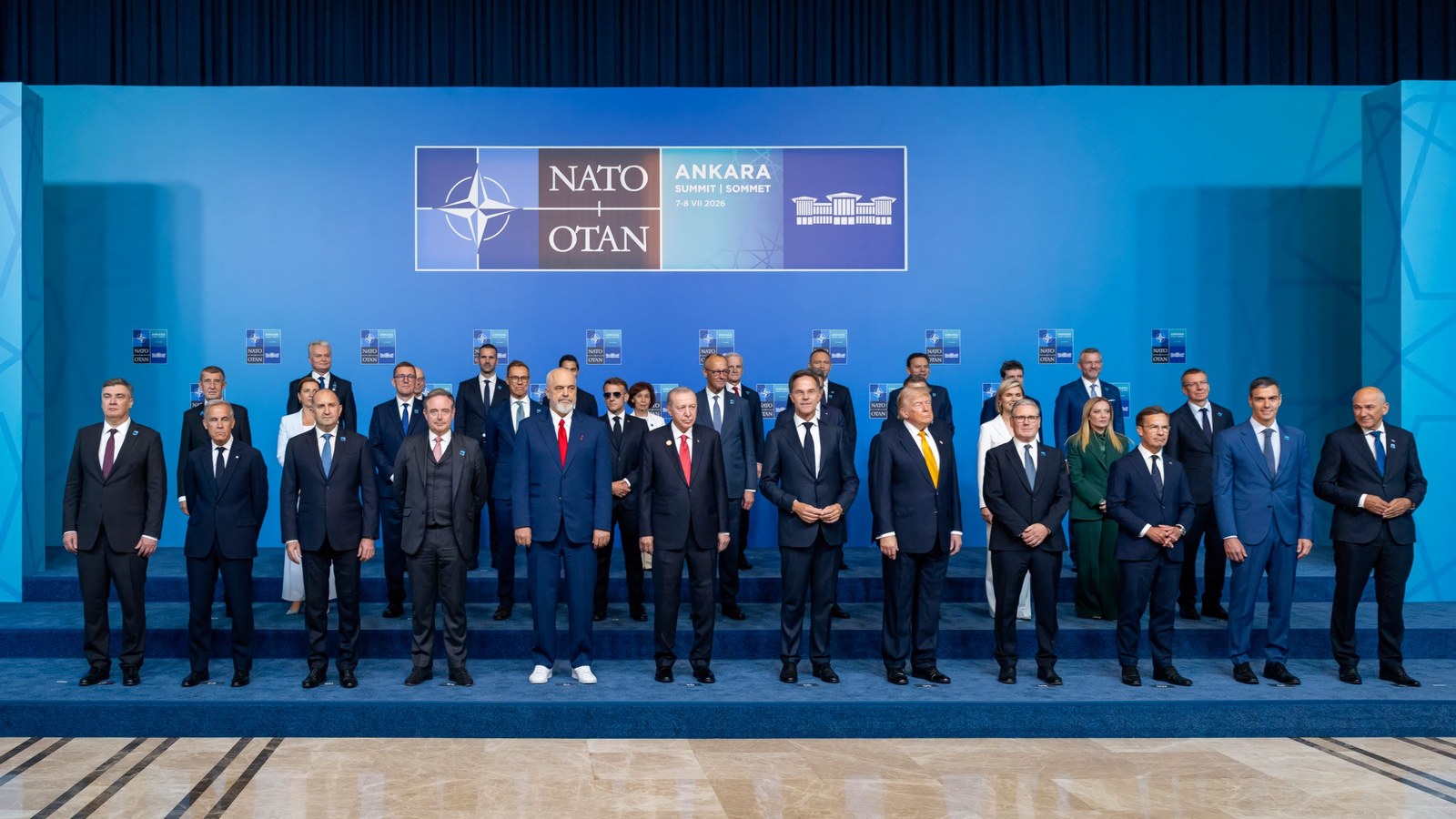
No, if the test is membership and the paper. At Ankara on July 8, every member signed the ironclad language, and American officers still sit inside the command structure. Congress went further than a communique: a 2024 defense law bars a president from pulling the country out of NATO without the Senate. That law is still on the books.
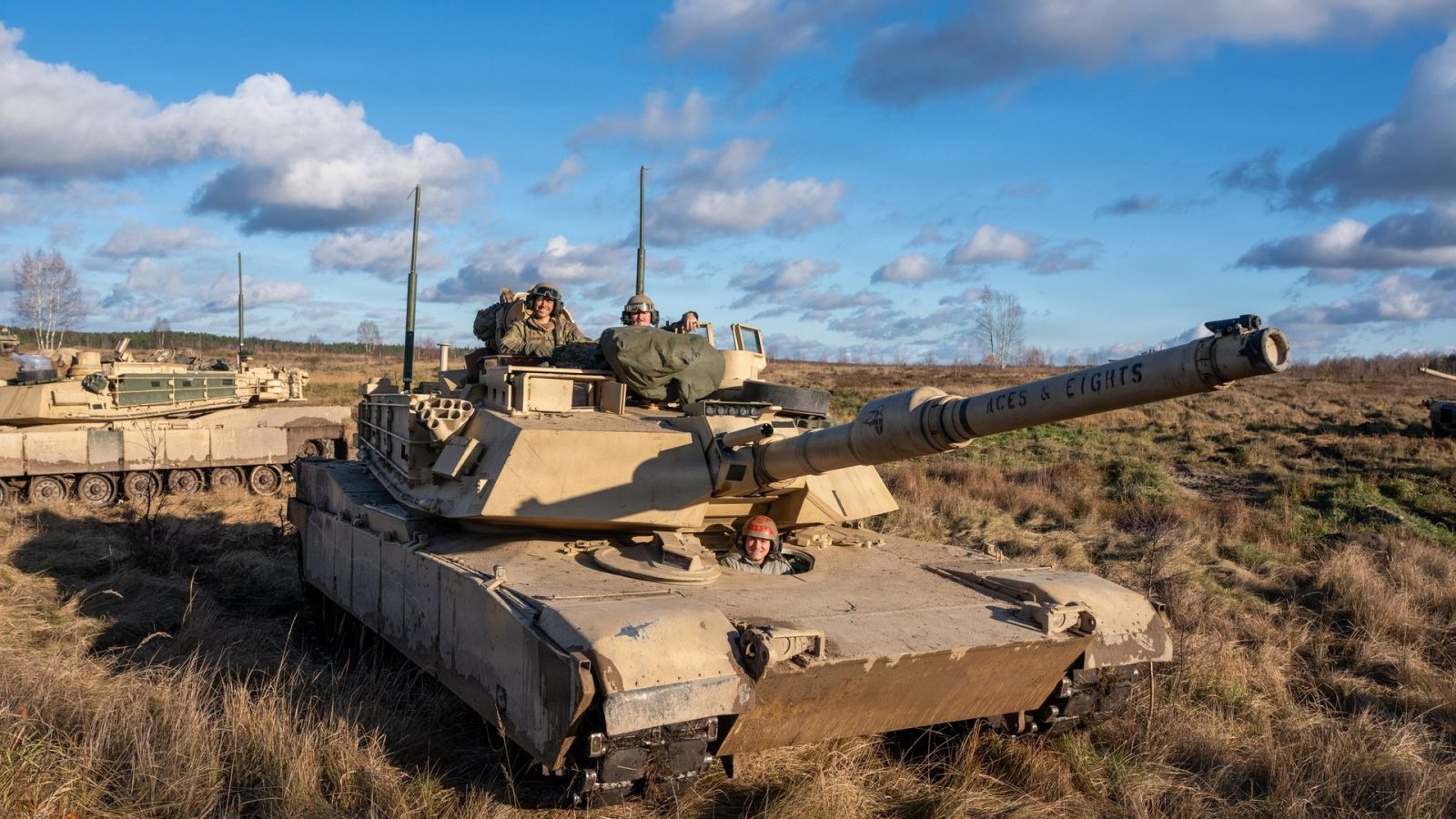
Not no, if the test is how a Baltic defense planner sleeps. The same administration has called NATO a bad deal, floated leaving, pressed Greenland in terms that rattled Denmark, handed most of Ukraine’s weapons bill to Europe, and started drawing down on the eastern flank. In October a rotational brigade in Romania was not replaced, leaving about 1,000 U.S. troops there, down from several thousand. A wider Pentagon force-posture review is still running, its size unsettled, and Congress has moved to set a floor for U.S. troops in Europe and to force the administration to consult before it cuts. The Pentagon calls this Europe growing up, not America walking off. Allies heard both the line and the emptier barracks.
There is also the war the United States is already fighting. The Iran campaign has burned through munitions and attention, and the reporting on Ratcliffe’s Moscow trip made the fear explicit: that Russia reads the Gulf fight as a distracted, spent America. A country firing interceptors over the Middle East has fewer spare Patriots for a Baltic night. That is not a talking point. That is inventory.
Would the United States actually step up?
I cannot answer that as a promise, and nobody honest can. I can tell you what the treaty says and what it leaves loose. Article 5 does not say the 82nd Airborne lands at dawn. It says each ally will take “such action as it deems necessary, including the use of armed force,” to restore security. The famous invocation after September 11 produced a long coalition war, and also a lot of countries doing far less than a full land army. The load-bearing word is “deems.” That is a political choice made inside each capital, with the American capital the one Moscow is watching hardest.
That is exactly why a limited, deniable jab is the version that keeps planners up. A cyber hit or unmarked men on a Baltic road is built to make “deems” look optional. If the test is fuzzy, the answer can be fuzzy. Tanks across a marked border are a different problem, because the cost of doing nothing gets very large, very publicly, at home included. The whole game is designed around that seam.
A probe is not aimed at a treaty. It is aimed at a decision. So read the week the way the Kremlin’s analysts would, scoring what they see.
Marks for resolve: the ironclad summit text with 32 signatures, a law that ties a president’s hands on withdrawal, and a spy chief and an ambassador both sent to signal steadiness.
Marks the other way: a brigade gone from the flank, a posture review with no floor yet, an active war eating interceptors, and a president who said on the record that there is no problem here.
The opening they would be pricing is not a weak treaty. It is a government visibly unsure, in public, whether it would answer. A test is cheap when the defender is still arguing with itself about whether to pick up.
So, deaf ears? Some European governments have been spending and drilling as if the American sentence might fail. That is not deafness. That is insurance. Some American commentary treats any European nerves as theater. That is not listening either. The useful middle is less comfortable than either: the warning is real as a planning case, the abandonment talk is bigger than the actual paperwork, and the help question gets answered by people in a room after the first explosion, not by a slogan from July. The treaty is the promise. The week we just had is the reason the promise is being weighed by the one audience it was written to deter.
Since this published, allies got another reason to listen closely. Trump called an Arctic security deal permanent American control over Greenland. Denmark and Greenland answered in a joint statement that sovereignty was untouched.
- Ambassador Matt Whitaker interview at NATO headquarters, Brussels, published September 2026 (USA TODAY, via Yahoo News): prepare and deter, plus the verbatim quote that you cannot predict Putin. Whitaker is the U.S. permanent representative to NATO (U.S. Department of State).
- Wall Street Journal intelligence account, early August 2026, via the Kyiv Independent and others: a limited Russian move this fall through 2029, hybrid warfare or a limited incursion or a false-flag drone strike, aimed at testing Article 5.
- Axios, August 27, 2026 – President Trump: “not concerned at all,” “no problem,” “they are not going to attack NATO territory”; disputes the Ratcliffe warning.
- CIA Director John Ratcliffe’s Moscow trip (Axios; Washington Post). SVR chief Sergei Naryshkin confirmed the meeting and called it “nothing special” (Ukrainska Pravda); the Kremlin denied any plan to attack NATO.
- NATO Ankara Summit Declaration, July 8, 2026: all 32 members reaffirm the “ironclad” Article 5 commitment.
- U.S. force posture: Stars and Stripes, October 2025 – a rotational brigade in Romania not replaced, about 1,000 U.S. troops remaining; the Pentagon says it is not a withdrawal. Congressional Research Service, Separation of Powers and NATO Withdrawal – the FY2024 NDAA Section 1250A requires Senate consent or an act of Congress to leave NATO.
- North Atlantic Treaty, Article 5: “such action as it deems necessary, including the use of armed force.”
Editor written. AI used for spelling and grammar only.