Senolytic Products vs. Senolytic Protocols
The clinical trials used intermittent, high-dose, physician-supervised regimens of specific agents. The retail market sells daily capsules under the same label. The two are not interchangeable.

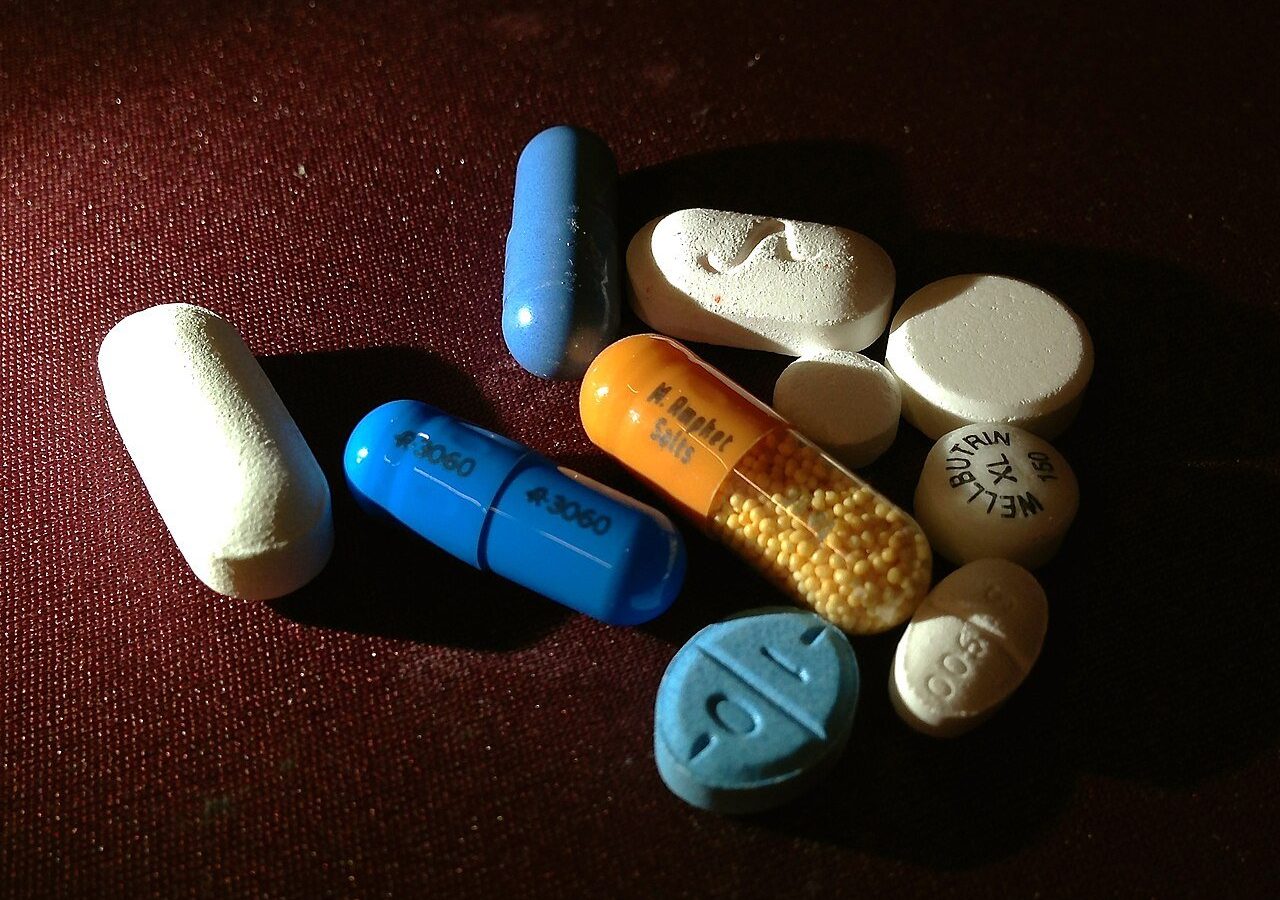
Once human pilot data on clearing senescent cells showed that dasatinib plus quercetin could reduce senescent cell markers in tissue, commercial products began appearing under the “senolytic” banner. Many of these products contain quercetin, fisetin, or combinations of plant compounds that have shown some senolytic activity in cell culture or animal models. Few resemble the regimens actually tested in people.
This gap between protocol and product is one of the clearest examples of how the marketplace reshapes scientific findings.
What the Trials Actually Administered
In the key human studies of systemic senolytics, the dominant regimen has been intermittent dasatinib plus quercetin. Typical dosing in published trials involved 100 mg of dasatinib combined with 1,000 to 1,250 mg of quercetin, given on two or three consecutive days, followed by a multi-day or multi-week rest period, and then repeated. The total exposure was pulsed, not continuous.
Dasatinib is a prescription tyrosine kinase inhibitor with a well-characterized safety profile from its oncology use. Quercetin at the doses used is higher than typical dietary supplement servings. The combination was chosen because screening data suggested synergy in clearing certain senescent cell populations while relatively sparing non-senescent cells. Administration occurred under medical supervision with safety monitoring.

Other agents under investigation, such as fisetin, have also been tested in intermittent or short-course designs in early trials. Continuous daily low-dose regimens of the sort common in consumer supplements have not been the primary design in the published clinical senolytic literature.
What the Retail Products Offer
Consumer products labeled as senolytics commonly feature quercetin, fisetin, or multi-ingredient blends that may include piperlongumine, curcumin, or other polyphenols. Doses are usually modest by comparison with trial regimens and are intended for daily use. Dasatinib, because it is a prescription drug, does not appear in standard dietary supplements.
Marketing language often links these products directly to the clearance of “zombie cells” and to the broader anti-aging narrative. The connection drawn is usually mechanistic rather than clinical: the ingredient showed activity in a cell or animal model, therefore the capsule is presented as a senolytic intervention for the buyer.
Quality control, actual content versus label claim, and bioavailability vary across brands. Independent testing of supplement content is inconsistent. The consumer has limited ability to verify that a given product matches even the preclinical conditions under which activity was observed.
Why the Difference Matters
Intermittent high-dose exposure and continuous low-dose exposure are pharmacologically different strategies. The “hit-and-run” design used in many senolytic trials is intended to kill a fraction of senescent cells during a brief window and then allow recovery, reducing the risk of continuous toxicity or interference with beneficial senescence processes. Daily low-dose administration does not replicate that pharmacokinetic profile.

The presence of quercetin or fisetin in a capsule does not automatically make the capsule equivalent to a clinical senolytic protocol. Concentration, duration of exposure, combination with other agents, and the presence or absence of dasatinib all matter. Preclinical senolytic activity is often dose-dependent and context-dependent. Translating that activity into a daily consumer product requires evidence that the product, as used, produces meaningful clearance or SASP modulation in humans. That evidence is largely absent for the retail formulations.
There is also a regulatory and evidentiary distinction. Clinical trials of D+Q operate under investigational frameworks with defined endpoints and safety oversight. Dietary supplements are regulated differently and are not required to demonstrate efficacy for the implied claims before marketing.
How Claims Are Constructed
Commercial content frequently collapses three separate statements into one:
1. Senescent cells contribute to aspects of aging and disease (supported by substantial preclinical and some human observational data).
2. Certain agents can reduce senescent cell burden under specific experimental conditions (supported by animal data and limited human pilot work).
3. This particular daily supplement will clear senescent cells and improve aging-related outcomes in the buyer (not established by rigorous human evidence for the product as sold).
The first two statements create the scientific aura. The third statement drives the purchase. The marketplace rarely keeps them cleanly separated.
Practical Implications
Anyone evaluating a product labeled senolytic should ask concrete questions. Does the product contain the same agents, at comparable doses, in a comparable intermittent schedule, as the regimens that produced tissue-level changes in human trials? Has the specific formulation been tested in humans for senescent cell clearance or for functional outcomes? What is the quality and transparency of the manufacturing?
In most cases the answers will show a substantial gap. That gap does not prove the products are useless. It does prove that they are not the same intervention that generated the human pilot signals. Treating them as equivalent is a commercial convenience, not a scientific conclusion.
The next parts of this series turn to a parallel story: the NAD+ precursors NMN and nicotinamide riboside, where biomarker movement is clearer and clinical outcome evidence remains mixed.
Built against current standards generation: E.G. v4.16 · I.R.G. v1.13 · L.R.G. v1.9 · P.L.G. v1.10. As of August 2026.
Editor written. AI used for spelling and grammar only.