The data center jobs that stay after the ribbon cutting
A hyperscale campus is a construction boom that ends and a permanent payroll that would fit in a restaurant. The jobs math, and the abatement math.
 Todd Ruffner-Schoenfeld
Editor in chief. A knack for the fine print, and likes it.
Todd Ruffner-Schoenfeld
Editor in chief. A knack for the fine print, and likes it.
The payroll that stays
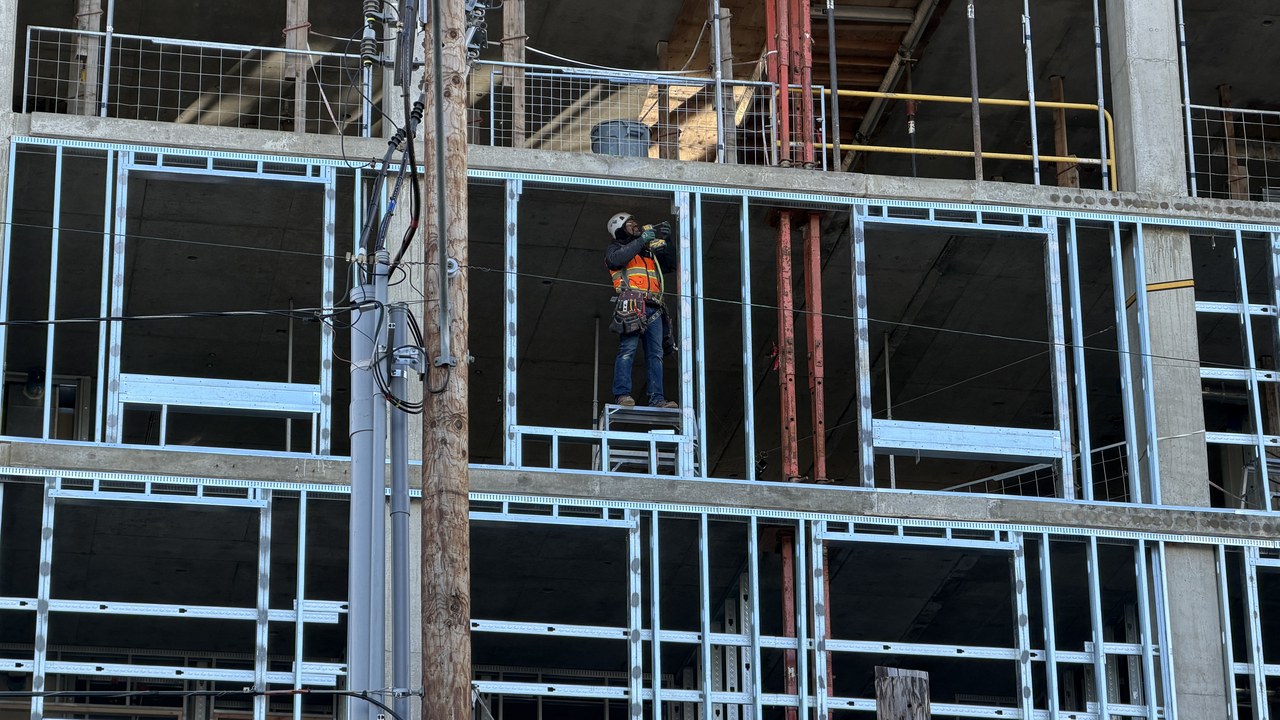
A hyperscale campus employs people in two completely different phases, and the gap between them is the argument. During construction, industry rules of thumb from CBRE and the Uptime Institute put something like 800 to 1,200 workers on a large site at peak: electricians, pipefitters, concrete crews, the trades. It is a genuine boom for a local building economy. Then it ends. Once the servers are humming, the same campus runs on roughly 100 to 200 full-time people, and a lot of them are security and vendors rather than six-figure engineers.
Virginia’s own legislative auditors put a sharper number on it. Reviewing the industry that has made Loudoun County the data-center capital of the world, the Joint Legislative Audit and Review Commission found that a typical 250,000-square-foot data center runs on about 50 full-time workers, roughly half of them contractors. Fifty people, in a hall the size of several football fields, drawing the power of a small city. Brookings Institution economists, looking across a decade of arrivals, found that data-processing employment did climb in the counties that landed these campuses, up 56 percent, and telecom work rose with it. The catch is in the next line of their study: local wages barely moved, and home prices ticked up a few percent. A county gets a construction spike and a modest, permanent night shift, and pays for it in slightly pricier housing.
The abatement math
Tax breaks are the other half of the jobs argument, and they have grown into real money. Virginia’s data-center sales-tax exemption was valued at about $1.9 billion in the 2025 fiscal year, on roughly $33 billion of exempt investment. When the exemption was created back in 2008, the state projected it would cost around $1.5 million a year. Virginia is not alone at the top: Good Jobs First, which tracks these programs, counts four states now spending more than a billion dollars a year subsidizing data centers, Georgia and Ohio and Texas alongside Virginia. Set those subsidies against the permanent headcount and the arithmetic gets uncomfortable. The watchdog’s estimate is that the cost per permanent job routinely runs past $1 million.
Brookings sharpened the point in a way worth sitting with. Incentives are a small slice of what it costs to build a hyperscale campus, about 2 percent, which means the giant famous projects would very likely get built with or without the break. But for colocation deals, the smaller centers that rent space and create the fewest jobs, incentives can be more than 60 percent of the deal. The subsidy, in other words, matters most for exactly the projects that give a community the least back. And the disclosure that would let a resident check any of this is often missing. Texas spent more than a billion dollars on its exemption in one recent year and, as Good Jobs First puts it, reports the company names but not the subsidy amounts, the jobs, or even the locations.
The building outlasts the forecast
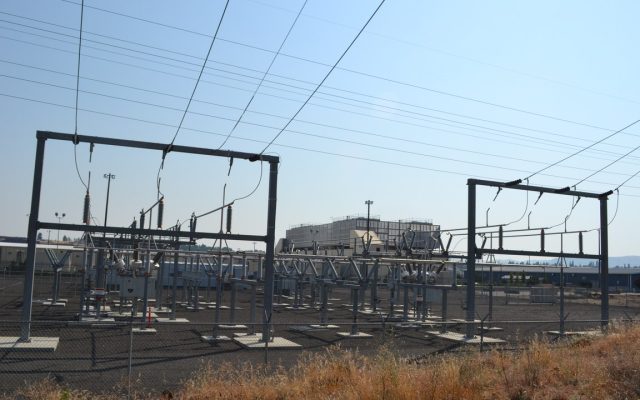
There is a risk nobody paints on the site plan. If model demand cools, or a cheaper cluster opens two states over, the servers can leave. The substation and the water line cannot. The construction workers are already gone. What stays behind is the infrastructure a utility built on the promise of a tenant, and if that tenant walks, the households on the same grid can end up carrying the wire. This is not a prediction that artificial intelligence collapses. It is a reminder that a concrete-and-copper building is far more permanent than the twelve-month demand forecast that justified it.
The trade a county is offered
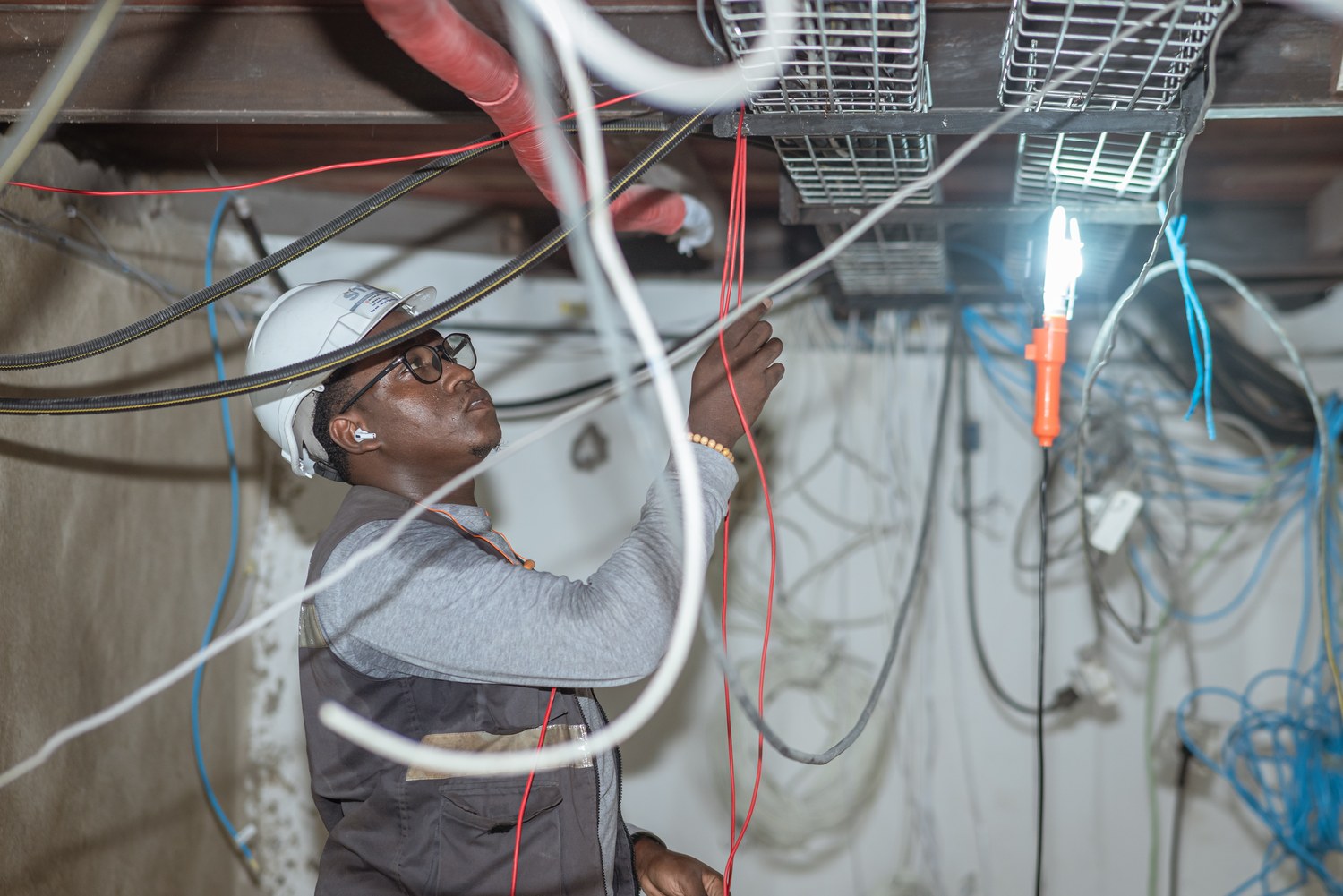
None of this makes the campuses worthless. Meta, which is short of electricians for its own build, put $115 million into a training academy this June with a job guarantee attached, an admission that the boom is real and that it needs bodies it does not yet have. A construction year is a real year of paychecks. But a county deciding whether to hand over a decade of tax revenue deserves the numbers that actually describe the trade: jobs per megawatt, dollars abated per job, and what happens to the shell in year eight. The next part is about who still has the power to ask those questions, and who has already promised the answer away.
- Virginia Joint Legislative Audit and Review Commission, “Data Centers in Virginia” (Report 598, December 2024): a typical 250,000-square-foot data center has about 50 full-time workers, roughly half contractors. JLARC.
- Brookings Institution, “New evidence on data center employment effects,” 2026: data-processing employment up 56 percent over a decade in host counties, wages roughly flat, home prices up a few percent; incentives about 2 percent of hyperscale investment versus about 62 percent for colocation. Brookings.
- Construction and staffing ranges (about 800 to 1,200 workers at peak; roughly 100 to 200 permanent for a 100 MW campus) per CBRE and Uptime Institute industry surveys.
- Virginia’s data-center sales-tax exemption valued at about $1.9 billion in fiscal 2025 (state RD40 report); Good Jobs First on states spending more than $1 billion a year, cost per job above $1 million, and Texas disclosing company names but not amounts, jobs, or locations. Good Jobs First.
- Meta’s $115 million skilled-trades training academy with a job guarantee, June 2026. Fortune.