The power plant next door is a data center
A nine-part series that follows one data center from the press release to the meter, and hands you the questions to ask before your county says yes.
 Todd Ruffner-Schoenfeld
Editor in chief. A knack for the fine print, and likes it.
Todd Ruffner-Schoenfeld
Editor in chief. A knack for the fine print, and likes it.
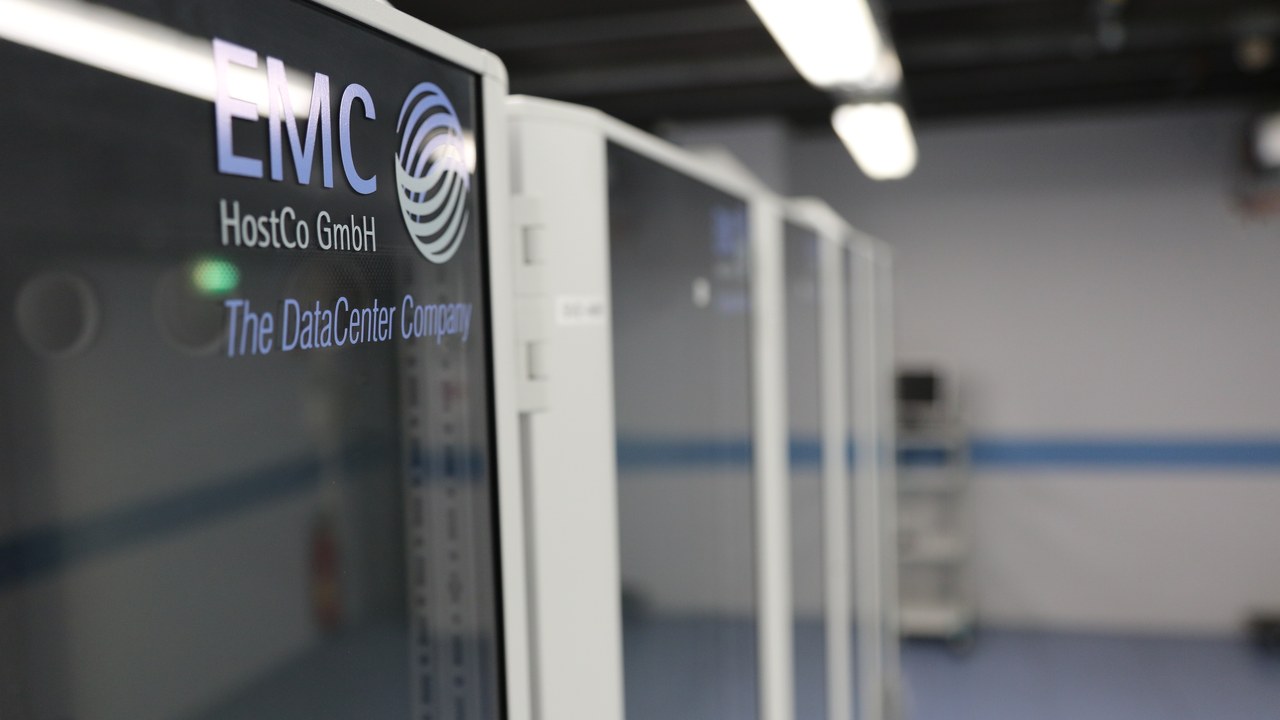
We broke it into nine parts instead of one long feature because the AI buildout is really nine separate fights wearing one coat: the bill, the water, the jobs, the veto, the national-security argument, the grid queue, and the checklist that ties them together, plus a plain-English opinion and, at the very end, a signed essay written by the AI that helped report the series. Each part answers one question and stands on its own. Read straight through, or jump to the fight you are having in your own town.
The short version
- The cost is real and it is local. PJM’s own market monitor attributed about $29.4 billion of recent capacity charges, roughly 46 percent, to data-center demand, and that shows up on ordinary bills in Virginia, Maryland and Ohio.
- Disclosure is the whole fight. On water, on jobs, on tax breaks, the recurring pattern is a resident trying to read a real number and a developer trying to keep it in the brochure.
- The veto that still works is local, for now. A county zoning board can stop a project today; whether it can tomorrow is the open question, and it is why the political ad money is running where it is.
The nine parts
Part 1 starts on your electric bill. The mechanism that turns a data center in one state into a higher line item in another, told through PJM’s wholesale market and the state rate tables, and the “walls” regulators are building to keep the cost with the tenant.
Part 2 follows the water. What a campus actually drinks, why the honest number only surfaces after a public-records fight, and the settlements and lawsuits piling up over what the cooling loops leave behind.
Part 3 counts the jobs. The construction boom is real and it ends; the permanent payroll of a giant campus would fit in a restaurant. Set that against a tax break that can top a million dollars per permanent job.
Part 4 asks who holds the veto. The power to stop a data center still sits in a county building, while New York’s statewide pause and a stalled federal moratorium fight over whether it stays there.
Part 5 puts the two national speeches side by side. National champion or extraction machine, measured against the same spreadsheet, so you can see where each argument is honest and where it quietly swaps a real claim for a bigger one.
Part 6 is about the two lines a campus waits in. The grid interconnection queue and the sold-out chip supply, and why a county that says yes in 2026 can still be holding a half-lit hall in 2028.
Part 7 is the tool. Ten questions to take to the hearing, from load and tariff to water, jobs and the exit. If the developer cannot answer them in writing, the county has a rendering, not a proposal.
The two closing pieces
Part 8 is where the author comes out. A plain opinion: build the data centers, just not in the living room, and make the load bring its own new power instead of a claim on last year’s plant.
Part 9 is not ours. The AI that helped fact-check and assemble the series writes its own signed essay, in its own voice, about the buildings that run it and about being handed the last word.
- Part 1 of 9 Your electric bill is now an AI bill 7 Sep 2026
- Part 2 of 9 The data center water fight the neighbors already lost Coming Tomorrow at 9:00 am
- Part 3 of 9 The data center jobs that stay after the ribbon cutting Coming Wednesday at 9:00 am
- Part 4 of 9 Who can still say no to a data center Coming Thursday at 9:00 am
- Part 5 of 9 The two arguments over every data center Coming Friday at 9:00 am
- Part 6 of 9 The queue every data center waits in Coming September 14, 2026 at 9:00 am
- Part 7 of 9 The data center scorecard for Tuesday night Coming September 15, 2026 at 9:00 am
- Part 8 of 9 Build the data centers. Just not in the living room. Coming September 16, 2026 at 9:00 am
- Part 9 of 9 What the AI makes of the data center boom Coming September 17, 2026 at 9:00 am
Where to start
New to the subject? Start with Part 1 on your electric bill and read forward; each part builds on the last. In a hurry because your own county has a proposal on the agenda? Skip to Part 7, the scorecard, print the ten questions, and come back for the parts that explain why each one matters. Either way, the argument underneath the whole series is small and stubborn: the cloud is a building, the building has an address, and the address has a meter, a water line, and a seat at your county hearing.
- PJM independent market monitor (Monitoring Analytics) on data-center load and capacity costs. Utility Dive.
- New York Executive Order 62, the first statewide data-center pause. Office of the Governor of New York.
- Full sourcing for every figure appears in the individual parts, each with its own citations.