A judge says she won’t rubber-stamp Paramount’s Warner Bros. settlement
Twelve states settled to clear Paramount's $110 billion purchase of Warner Bros. Discovery. Press and film groups want the judge to throw that settlement out, and the old rule that once made broadcasters air both sides never reached CNN.
 Todd Ruffner-Schoenfeld
Editor in chief. A knack for the fine print, and likes it.
Todd Ruffner-Schoenfeld
Editor in chief. A knack for the fine print, and likes it.
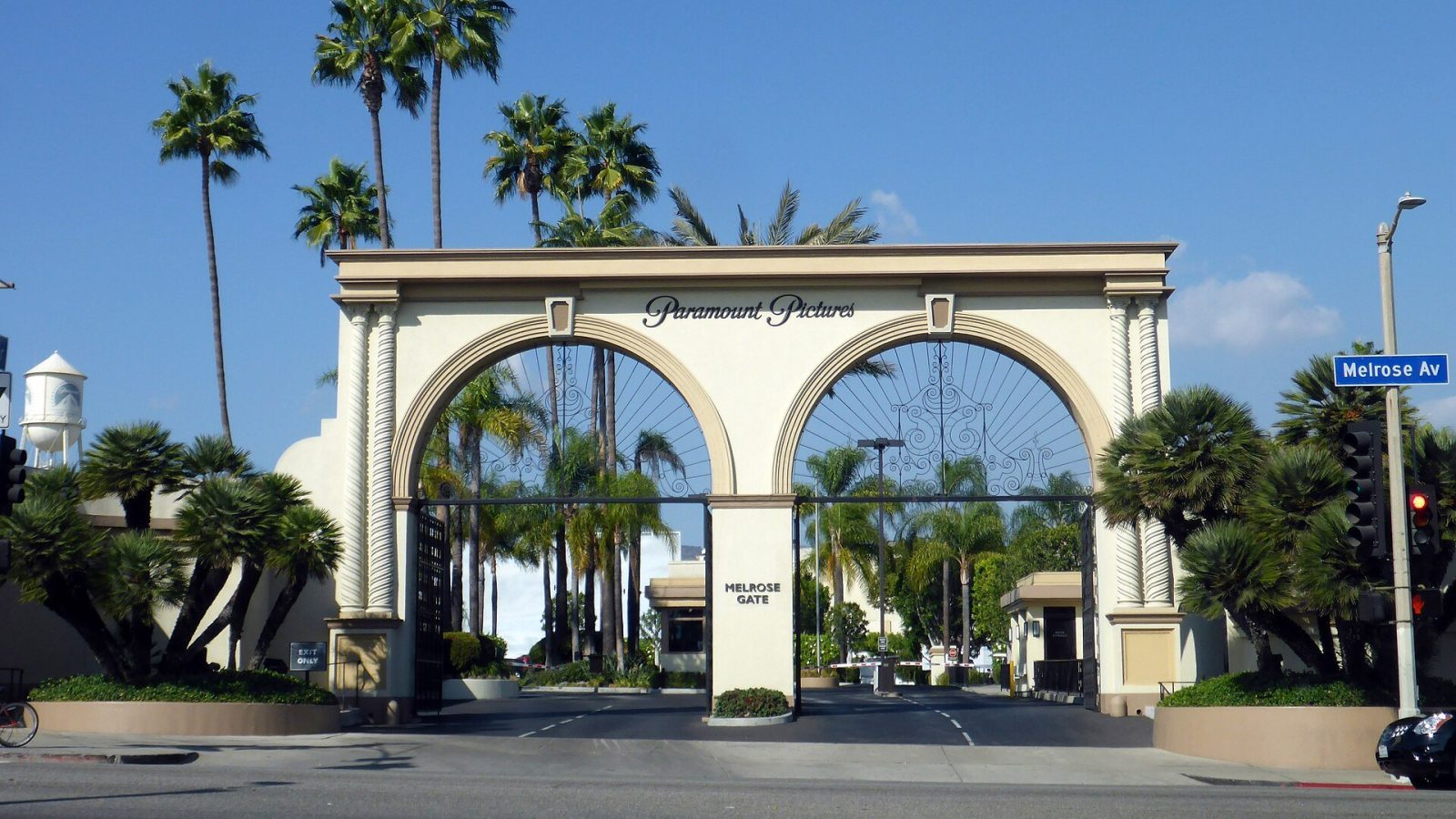
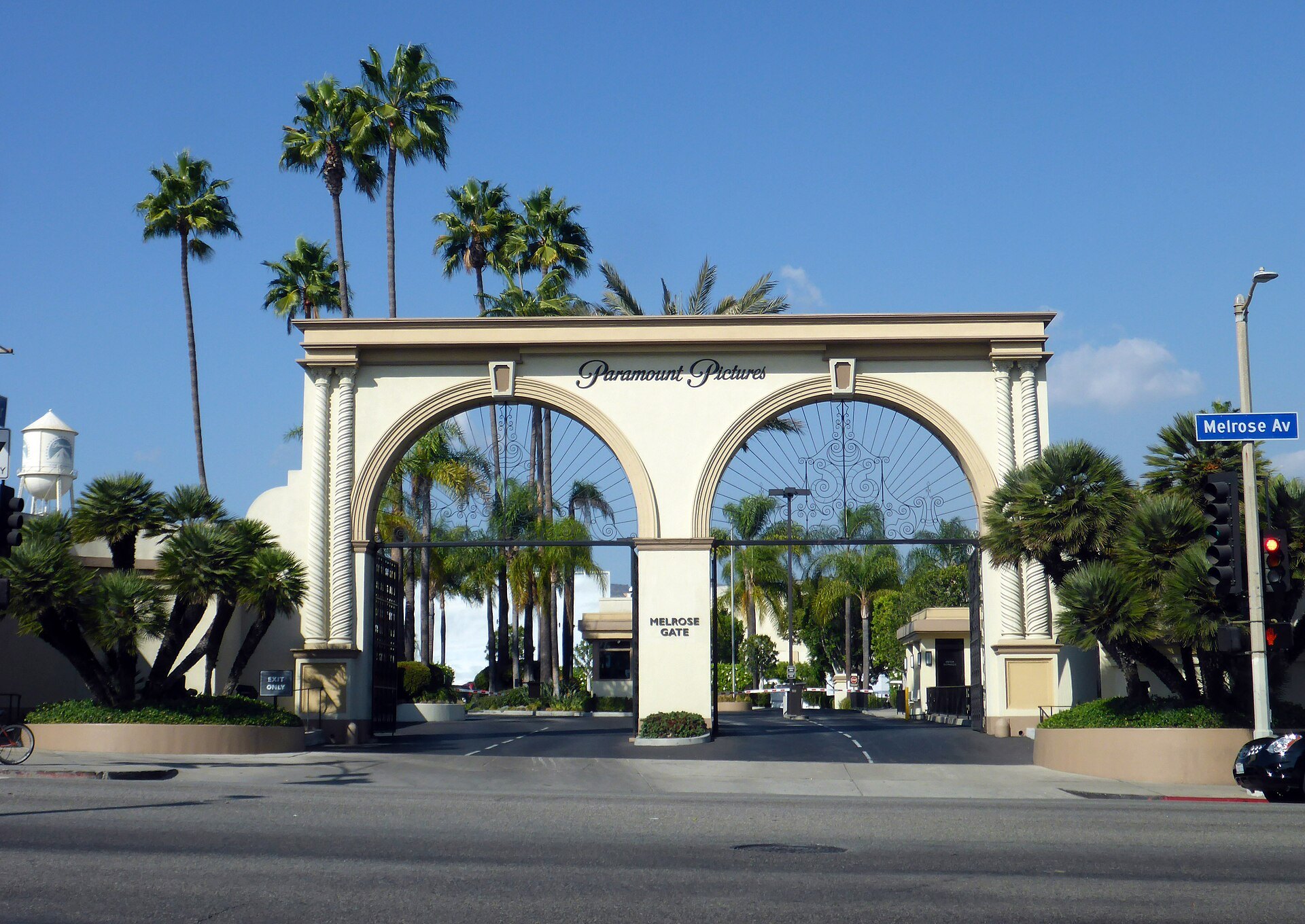
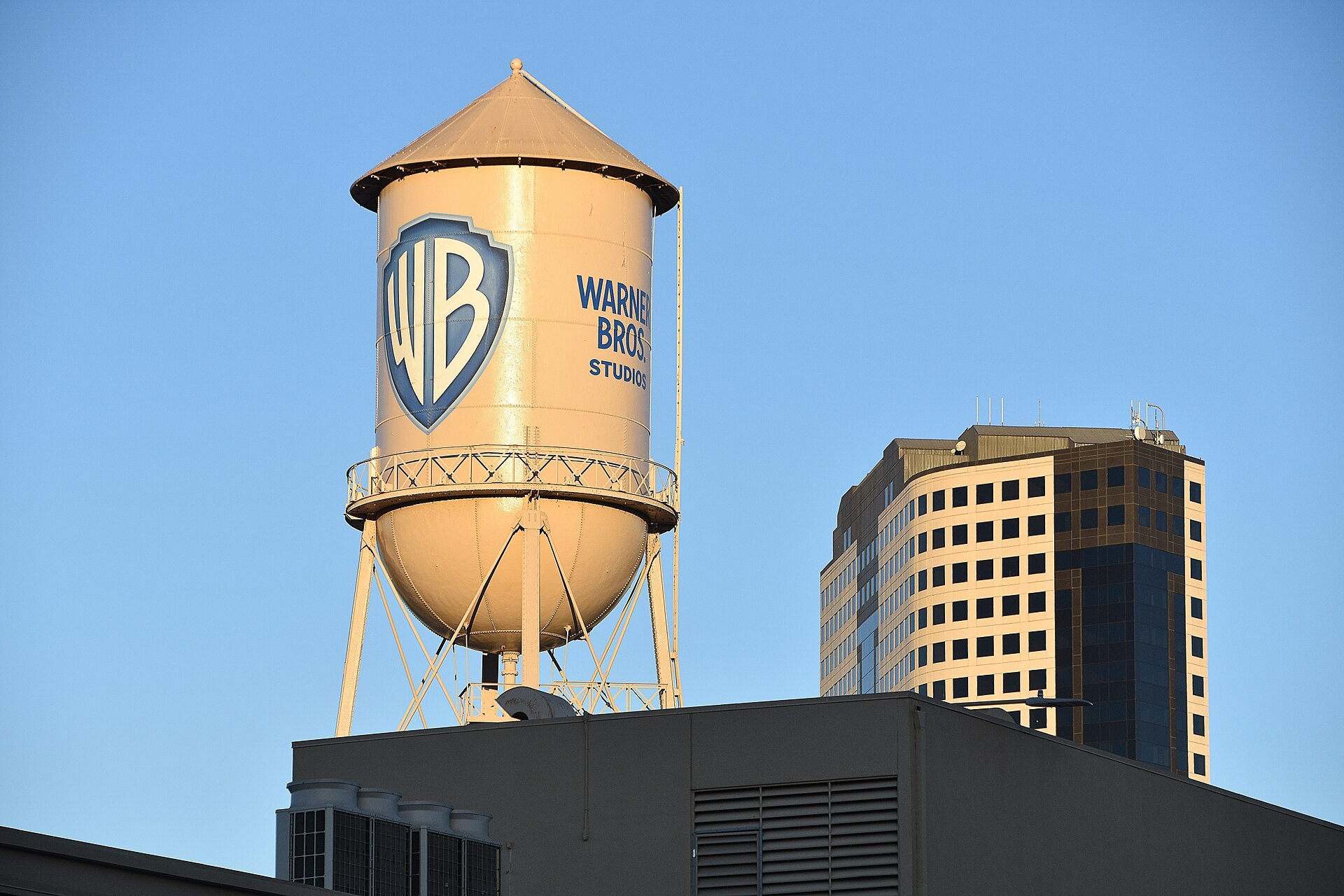
Credit: Photograph: Coolcaesar. Licensed via Wikimedia Commons under CC BY-SA 4.0.
Published Sept. 25, 2026, 11 a.m. ET. This is a developing story. We are checking the court record and the reporting every hour and will update this page as the case moves.
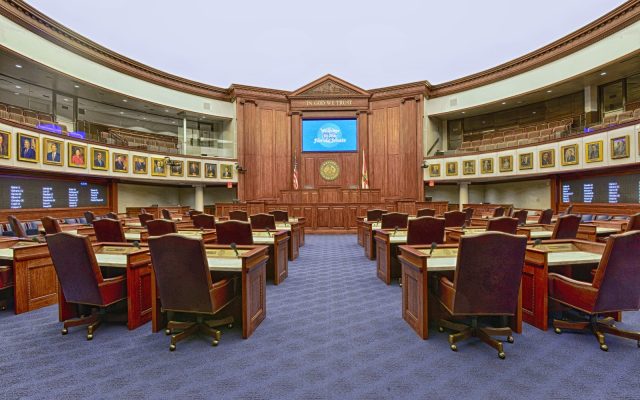
“The court isn’t a rubber stamp of your agreement,” U.S. District Judge Araceli Martínez-Olguín told the lawyers on Thursday, Sept. 24. She was talking about the settlement that California and the 11 other states suing alongside it reached with Paramount Skydance on Sept. 21. That settlement is meant to clear the way for Paramount to buy Warner Bros. Discovery, a purchase worth about $110 billion counting debt. She held the hearing over Zoom, said she had questions, and promised a ruling “in due course.”
That same night, five press-freedom and film groups, led by Free Press, filed a written argument, called a brief, asking her to reject the settlement. Unless and until she approves it, the court’s order barring Paramount from closing the deal stays in force. The judge gave the two sides until noon Pacific time on Monday, Sept. 28, to answer a letter from Sen. Cory Booker of New Jersey, who wants an independent review of whether the merger is good for the public. And a clock is running: under the merger agreement, if the deal hasn’t closed, Paramount starts paying Warner Bros. Discovery shareholders a fee of about $7 million a day on Oct. 1. Wall Street calls it a ticking fee.
What Bonta and 11 other states got from Paramount on Sept. 21
Paramount Skydance, which owns CBS and is run by David Ellison, agreed on Feb. 27 to acquire the company that owns CNN, Warner Bros. Discovery, for $31 a share. The Justice Department cleared it on June 12. On July 13, California Attorney General Rob Bonta and the Democratic attorneys general of 11 other states sued to stop it, and on July 20 Judge Martínez-Olguín, who sits in the federal court for Northern California, blocked the deal from being completed. Trial had been set for March 2027.
The settlement, filed Sept. 21, runs about five years after the deal is completed. According to Bonta’s office and reporting by CNN, Variety and Deadline, Paramount agreed to:
- release 30 films a year for two years, then 32, with at least 20 of them wide releases at first and 21 later (wide releases open in theaters across the country at once), plus at least four independent films a year; if it misses in any year, it must sell Miramax Studios and pay $30 million for each missing film;
- spend at least $300 million a year more on U.S. production than it did in 2025;
- keep both the Paramount and Warner Bros. studio lots in California for at least five years, and keep a free streaming service like Pluto TV;
- set up, within 180 days of the deal’s completion, a five-member news editorial independence board of journalists with at least 10 years’ experience, appointed by Paramount’s board, with no more than two from the same party, to watch CNN and CBS News and hear complaints about bias.
Bonta called the terms “very strong remedies and commitments to address the concerns that we raised.” At his Sept. 21 news conference he also said, “I don’t think these two companies should merge. But that’s not something that we are focused on with our resolution here.” His office’s written statement that day put it more plainly: “Let me be clear: This settlement is not a vote of support for this merger.”
What the coalition told the judge
The brief came from five groups working under the name Block the Merger: Free Press, the Committee for the First Amendment, the Freedom of the Press Foundation, the Future Film Coalition and the International Documentary Association. It says the process that produced the settlement was unfair and points out that Bonta “publicly criticized the very behavioral remedies,” meaning promises about how the company will act, that he is now asking the court to approve. In August, he told CNBC that a settlement would require “robust structural remedies,” which usually means selling off parts of the business. In a joint statement on Friday, Sept. 25, the groups called the deal “toothless.”
Jessica J. González, co-CEO of Free Press, said the settlement “won’t get more movies made,” since the combined company can release fewer films than the two studios had planned for this year, and that it “puts a massive media empire into the hands of the Ellisons, who are all too eager to lay off workers, threaten regulators and warp news coverage to placate Donald Trump.”
The other side answered at the hearing. Paula Blizzard, a senior assistant attorney general for California, said the two sides bargained at arm’s length, as real opponents, and that “if we block the merger, it would be forever.” Josh Holian of the law firm Latham and Watkins, arguing for Paramount, said the Miramax penalty would “keep our feet to the fire.” Paramount has called the coalition’s request for more time to file arguments, through Oct. 13, “improper” and said the delay alone would cost it “tens (if not hundreds) of millions of dollars.”
Why the news board is the part to watch
This is the piece that reaches your living room. The deal would put CBS’s newsroom and CNN’s under one owner. Critics who doubt a five-person panel can protect those newsrooms point to reporting over the past year. The Guardian reported in November 2025 that Larry Ellison, David Ellison’s father, talked with a White House official about dropping CNN anchors President Trump dislikes, including Erin Burnett and Brianna Keilar. The Wall Street Journal reported in December that David Ellison promised Trump administration officials “sweeping changes” at CNN.

David Ellison has said the opposite in public. In a guest essay in The New York Times in August, he wrote, “I do not aspire to lead these companies to bend their newsrooms to my views. I believe that news should be based on facts and truth.” At CBS, which his company already owns, 60 Minutes has been through a year of turmoil, including Bari Weiss, now head of CBS News, pulling a planned story in December 2025. The story was about CECOT, the prison in El Salvador where the Trump administration sent deported Venezuelan men. In a May 2026 letter, the Freedom of the Press Foundation and Reporters Without Borders called what happened at CBS the “CBS playbook” and warned it could be repeated at CNN. And on Sept. 18 the White House barred reporters from CNN, MS NOW (formerly MSNBC) and Politico from its grounds. The three outlets sued on Sept. 21, and on Thursday, Sept. 24, U.S. District Judge Timothy Kelly ordered their access restored for now.
Why no federal rule makes these networks air both sides
If one company ends up owning both CBS News and CNN, a private board will be the only thing checking whether they stay fair. That is partly because the federal rule that once made broadcasters air the other side was dropped in 1987, and it never covered cable at all.
I started HeadLines Decoded because I was tired of being handed a team jersey with the weather. When a newsroom decides ahead of time which party gets the benefit of the doubt, it stops being journalism. There was a time when federal rules pushed against that, but only on stations that broadcast over the public airwaves. That matters here, because CBS owns stations on those airwaves and CNN has only ever been on cable.
From 1949 to 1987, the Federal Communications Commission’s Fairness Doctrine required radio and TV stations using the public airwaves to do two things: cover controversial issues of public importance, and give a reasonable chance for contrasting views. It did not require equal time in every segment. The Supreme Court upheld it in 1969 in Red Lion Broadcasting Co. v. FCC, reasoning that the airwaves are scarce and public. “It is the right of the viewers and listeners, not the right of the broadcasters, which is paramount,” Justice Byron White wrote.
Congress tried to write the doctrine into law in 1987. President Ronald Reagan vetoed the bill on June 19, calling the doctrine “antagonistic to the freedom of expression guaranteed by the First Amendment.” On Aug. 4, 1987, the FCC voted 4 to 0 to drop it. “We seek to extend to the electronic press the same First Amendment guarantees that the print media have enjoyed,” said its chairman, Dennis Patrick. The FCC struck the last of the language from its rule book in 2011.
The doctrine never reached cable, a point PolitiFact made in June 2024, fact-checking an Instagram post that blamed Ronald Reagan for Fox News. CNN started on cable on June 1, 1980. Fox News followed on Oct. 7, 1996. Repealing the doctrine did not create them, and bringing it back as written would not reach them. It would land on local broadcast stations, including the ones CBS owns. Those stations still operate under a federal license that requires them to serve the public, and the FCC under Chairman Brendan Carr pursued a complaint accusing CBS of slanting the news in how it edited a 60 Minutes interview with Kamala Harris. A separate law, the equal-time rule, still requires a station that sells or gives airtime to one candidate to offer the same to that candidate’s opponents. It covers candidates only.
The states’ answer in this settlement is a private board, which would have none of the force a federal rule had, even if a judge approves it. Putting a real counterweight on cable news would take a new law that names cable, and that law would have to get past the Supreme Court. Cable doesn’t use the scarce public airwaves the 1969 ruling leaned on, so the reasoning that upheld the doctrine for broadcasters doesn’t carry over. And in its 1974 ruling in Miami Herald v. Tornillo, the court said the government cannot force a newspaper to print a reply. I would like more homes to hear the other side before they pick a team. But I won’t pretend that a rule written in 1949 for broadcast stations could fix cable news today.
What the research says about one-sided news
Economists have measured whether a one-sided channel changes how people vote. Stefano DellaVigna and Ethan Kaplan used the fact that Fox News reached local cable systems at different times from 1996 to 2000, and found, in a 2007 study in the Quarterly Journal of Economics, that towns that got Fox shifted toward Republicans by roughly 0.4 to 0.7 percentage points in the 2000 presidential vote. A 2024 paper in the Journal of Public Economics by Elliott Ash, Sergio Galletta, Matteo Pinna and Christopher Warshaw took another route. People tend to watch more of a channel with a lower number, and Fox’s number varies from one cable system to the next. Using that, the authors found that watching Fox raised Republican vote share by at least half a percentage point in recent elections. Pew Research Center found in 2025 that 57 percent of Republicans regularly get news from Fox News and 56 percent trust it, while 58 percent of Democrats trust CNN.
A channel that picks a side and stays there is, to me, entertainment with a news banner running across the bottom of the screen. That is true whether the channel leans red or blue. This site was built to put both sets of facts on the same page. We will get it wrong sometimes, and when we do, we will say so on the page.
What happens next
The replies to Sen. Booker are due Monday, Sept. 28. Judge Martínez-Olguín can approve the settlement, reject it, or ask for tighter terms. Paramount’s ticking fee starts Oct. 1 if the merger is still waiting, and David Ellison has told employees he expects it to close soon. We will update this story as the judge acts.
- California Attorney General Rob Bonta, settlement announcement, Sept. 21, 2026. California DOJ.
- CNN on the settlement terms and the news editorial independence board, Sept. 21, 2026. CNN.
- Variety on Bonta defending the settlement, Sept. 2026. Variety.
- Variety on the Sept. 24 hearing. Variety.
- Forbes on the judge questioning the agreement, Sept. 24, 2026. Forbes.
- Deadline on the settlement delay. Deadline.
- The amicus brief, State of California v. Paramount Skydance Corp., No. 4:26-cv-07116-AMO, Dkt. 260, Sept. 24, 2026. Block the Merger.
- Free Press on the amicus brief, with Jessica J. Gonzalez’s statement, Sept. 25, 2026. Free Press.
- TheWrap on the brief and the coalition’s statement, Sept. 25, 2026. TheWrap.
- CNBC on Bonta and structural remedies, Aug. 20, 2026. CNBC.
- The court docket. CourtListener.
- TheWrap on the Guardian report about Larry Ellison and CNN anchors, Nov. 2025. TheWrap.
- TheWrap on the Wall Street Journal report about David Ellison and CNN, Dec. 2025. TheWrap.
- The New Republic on the press-freedom groups’ “CBS playbook” letter, May 2026. The New Republic.
- Poynter on David Ellison’s New York Times essay, Aug. 5, 2026. Poynter.
- NPR on Bari Weiss pulling a 60 Minutes story, Dec. 22, 2025. NPR.
- NPR on the judge restoring White House access, Sept. 24, 2026. NPR.
- Red Lion Broadcasting Co. v. FCC, 395 U.S. 367 (1969). Justia.
- Miami Herald Publishing Co. v. Tornillo, 418 U.S. 241 (1974). Justia.
- President Reagan’s veto message on the Fairness in Broadcasting Act, June 19, 1987. Reagan Library.
- PolitiFact on the Fairness Doctrine and cable networks, June 2024. PolitiFact.
- 47 U.S.C. Section 315, the equal-opportunities rule for candidates. Cornell LII.
- Ash, Galletta, Pinna and Warshaw, “From viewers to voters,” Journal of Public Economics, 2024. ScienceDirect.
- DellaVigna and Kaplan, “The Fox News Effect,” Quarterly Journal of Economics, 2007. Oxford Academic.
- Pew Research Center, “The political gap in Americans’ news sources,” June 10, 2025. Pew Research Center.