Samsung’s AI Glasses Take Aim at Meta. What They Deliver, and What Samsung Isn’t Saying Yet.
Samsung and Google previewed camera-and-Gemini glasses built to challenge Meta. The specs are strong and the frames look the part, but it is a tease, not a launch, and Meta has a big head start.


Samsung has finally shown the glasses it wants on your face, and it wants them there instead of Meta’s. Co-developed with Google and the eyewear houses Gentle Monster and Warby Parker, its camera-equipped, Gemini-powered Intelligent Eyewear is the clearest direct challenge yet to Meta’s Ray-Ban smart glasses. The specifications are strong, the frames look like glasses people would choose to wear, and the whole thing is pitched at a market Meta currently owns. There is just one detail worth holding onto before the hype settles: this was a preview, not a launch.
Samsung first teased the eyewear at Google’s developer conference in May and detailed it at its Galaxy Unpacked event in London in July. At neither could reviewers actually wear a pair. There is no confirmed price, no ship date beyond a broad fall 2026 window, no stated weight, no camera resolution and no water-resistance rating. What Samsung showed is a real product with a real platform behind it and a deliberately incomplete spec sheet. Decoding it means separating what is genuinely known from what is still being withheld, probably on purpose.
What Samsung actually showed
Under the frames sits Qualcomm’s Snapdragon AR1 Gen 1 chip, the same class of silicon Meta uses, running Google’s Android XR software with Gemini as the assistant. The pitch is a day of hands-free help: live translation, spoken navigation, message summaries, notes captured from a whiteboard or presentation into Samsung Notes, and the ability to share your point of view during a video call, all fed by a built-in camera that lets the assistant answer questions about what you are looking at. Samsung quotes up to about nine hours of mixed-use battery life with a charging case good for roughly seven more full charges, which is a competitive claim if it holds up in the real world. The glasses tether to a phone, and Samsung says they will pair with both Android devices and iPhones, with the deepest features reserved for its own Galaxy ecosystem and control available through a Galaxy Watch.
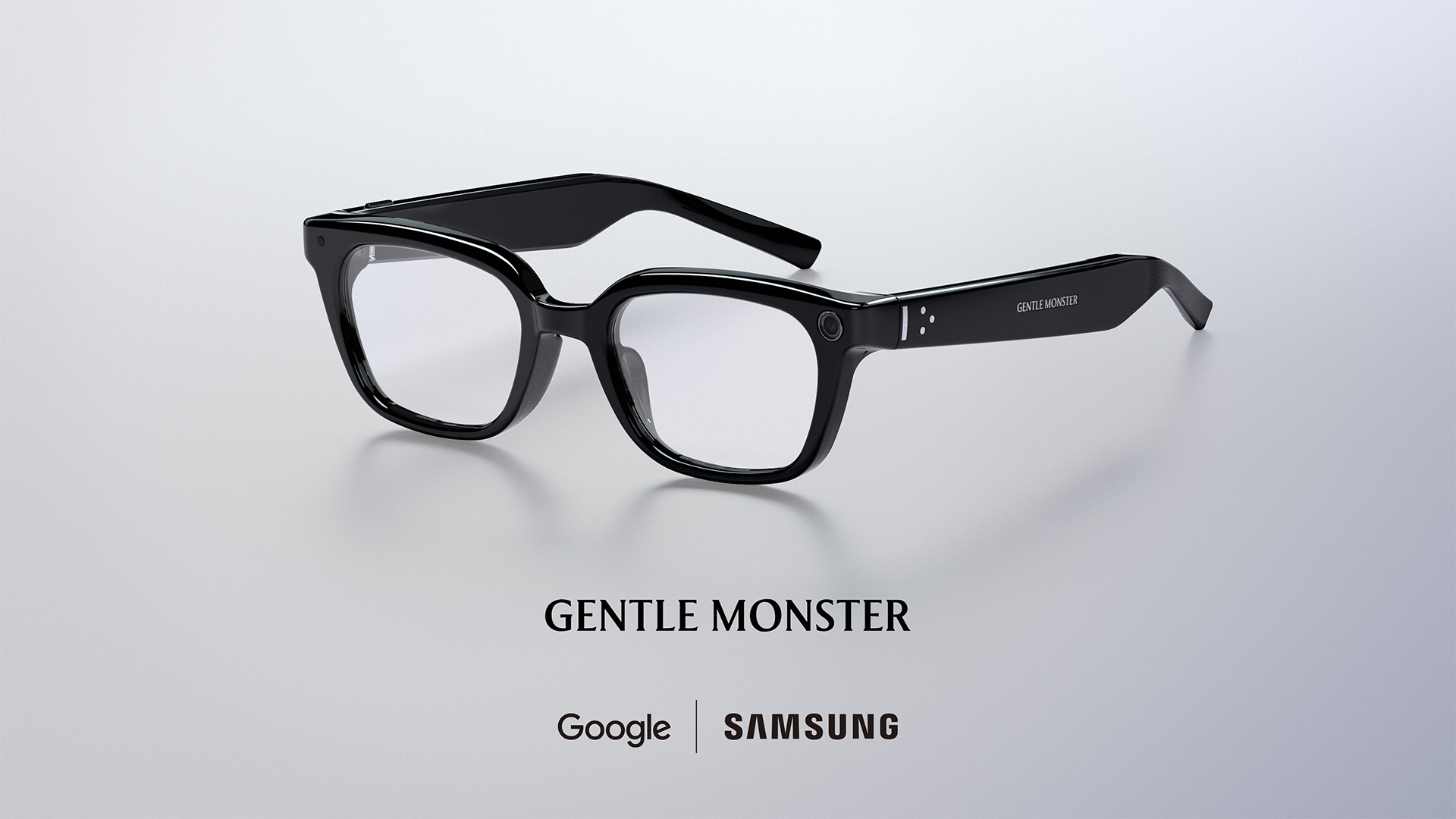
There is no display. That is a choice, not a shortcoming Samsung failed to fix. Google has split Android XR into audio glasses, which ship first, and display glasses, which come later, and Samsung is starting with the audio-and-camera kind. It also built in a privacy answer that Meta has been criticized for lacking: an indicator light when the camera is recording, plus wear-detection that disables the camera if you take the glasses off or cover the light.
The catch: it is a preview, not a launch
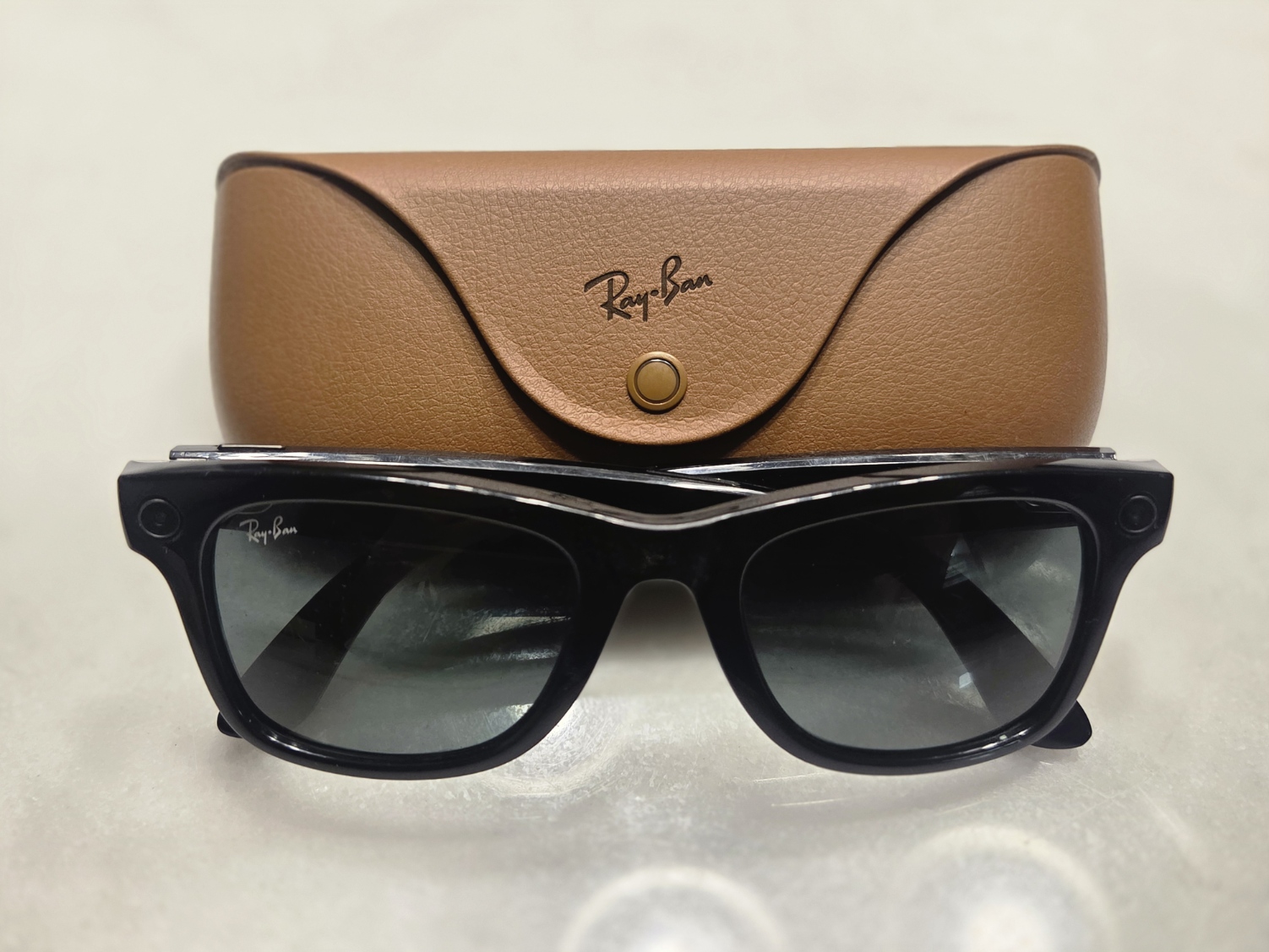
The missing price is the loudest silence. Market estimates cluster around $379 to $499, but that is speculation, and it is worth noting where that range lands. It would match Meta’s audio glasses, not challenge its high end. Meta’s own lineup runs from a new entry model at about $299 up to the $379 Ray-Ban and a $499 Oakley, topped by an $799 Ray-Ban Display with an in-lens screen. If Samsung arrives near $400, it is meeting Meta in the middle and undercutting the display model, not leapfrogging it. Holding the price back until closer to launch, with Meta’s own fall showcase on the calendar, looks less like an oversight and more like Samsung declining to hand a competitor a target.
| Product | Display? | Battery | Price |
|---|---|---|---|
| Samsung Intelligent Eyewear | No (audio + AI) | ~9 hr, plus 7 case charges | Not announced |
| Meta Ray-Ban (Gen 2) | No | ~8 hr | from $379 |
| Oakley Meta Vanguard | No | ~9 hr | $499 |
| Meta Ray-Ban Display | Yes (in-lens) | varies | $799 |
| Meta entry model | No | varies | $299 |
Meta’s head start is what matters most
This is the number that frames everything. By one industry estimate, Meta held roughly 84 percent of the AI smart-glasses market in early 2026, on the back of about 7.4 million units shipped the year before. It has a display product already on sale, a new entry model that just pushed its price floor down, and a large base of people who already own a pair. Samsung is not walking into an empty room. Its genuine advantages are elsewhere: fashion-house frames that do not shout gadget, Warby Parker’s physical stores for fittings and prescription lenses, deep Gemini integration, and that battery claim. Those are real edges. They are also the kind of edges that take a strong first showing and a sharp price to convert, and Samsung has shown the first and withheld the second.
The privacy question sitting on everyone’s face
A camera you wear all day is a live regulatory issue, and not only for Samsung. European data-protection authorities have been scrutinizing camera glasses across the board, with regulators in Germany and France raising concerns about always-on recording in public and a European board report expected around the end of the summer. Samsung’s indicator light and wear-detection are a direct response to that pressure, but they do not settle it, and how much of the processing happens on the glasses versus in the cloud is one more thing Samsung has not detailed. For a device whose entire value proposition is that it sees what you see, that is not a small gap.
The bottom line
Samsung has made the most credible case yet that smart glasses can be something you would wear for how they look, not just for what they do, and it has the platform and the partners to mean it. But the first move is audio-only, into a category Meta dominates, at a price Samsung is not ready to name. The things that will actually decide whether these break out of the early-adopter crowd, the final price, the real weight, how fast Gemini answers, and whether the frames survive daily life, are exactly the things Samsung left off the card. The reveal was strong. The verdict waits for the fall, when the first units, and the first price tag, reach stores.
- Samsung Newsroom, First look at the new Intelligent Eyewear
- Google, Intelligent eyewear with Gemini on Android XR
- Android Central, Hands-on at Galaxy Unpacked (battery, privacy, controls)
- Electronic Times, Samsung says the glasses will support iPhone and Android
- Road to VR, Meta’s Ray-Ban and Oakley smart-glasses prices
- Counterpoint / Omdia via Crypto Briefing, Meta’s ~84% market share
- PetaPixel, European privacy scrutiny of camera glasses
- Tom’s Guide, Samsung’s Galaxy XR headset and Android XR
Reported and edited to HeadLines Decoded newsroom standards. E.G. v4.17 · I.R.G. v1.14 · L.R.G. v1.9 · P.L.G. v1.10. Specifications are as previewed by Samsung and Google; some details remain unannounced as of August 2026.
Editor written. AI used for spelling and grammar only.