The queue every data center waits in
Before a data center is a neighbor, it is a number in two lines it does not control: the interconnection queue, and the chip order book on the far side of the Pacific.
 Todd Ruffner-Schoenfeld
Editor in chief. A knack for the fine print, and likes it.
Todd Ruffner-Schoenfeld
Editor in chief. A knack for the fine print, and likes it.
The queue to plug in
The interconnection queue is the waiting room for the electric grid. A project files a request, the grid operator runs a study to see what upgrades the connection needs, and a deposit holds the spot. It is slow by design and slower in practice. Lawrence Berkeley National Laboratory, which tracks this, counted roughly 2 terawatts of generation and storage sitting in these queues nationally at the end of 2025, and found that the typical project now waits five years or more from request to switch-on. Of everything that asked to connect between 2000 and 2020, only about 13 percent had actually been built by the end of 2025; roughly three-quarters of it withdrew. Large data-center loads are now being pushed through these same study processes, so a new campus is standing in a line that was already long before it arrived.
Why a county gets the shovel-ready pitch
Here is where the line bends the politics. When the queue is long, a developer has a reason to lock down a county early, rezoning the land while the grid study grinds on somewhere else. That is how a “shovel ready” pitch shows up in a place that has never hosted a 100-megawatt customer. The risk is blunt: it can put the county on the hook before the power is real, leaving the utility to build a substation on a firm contract or on the hope that the tenant shows up. This is exactly why Virginia wrote its GS-5 tariff, with an 85 percent minimum on billable demand across a fourteen-year term and collateral around $1.5 million per megawatt, to make the tenant commit before the concrete is poured. The question a county should ask is blunt: is that kind of commitment signed, or is this a bet the neighbors are covering?
The other bottleneck is chips
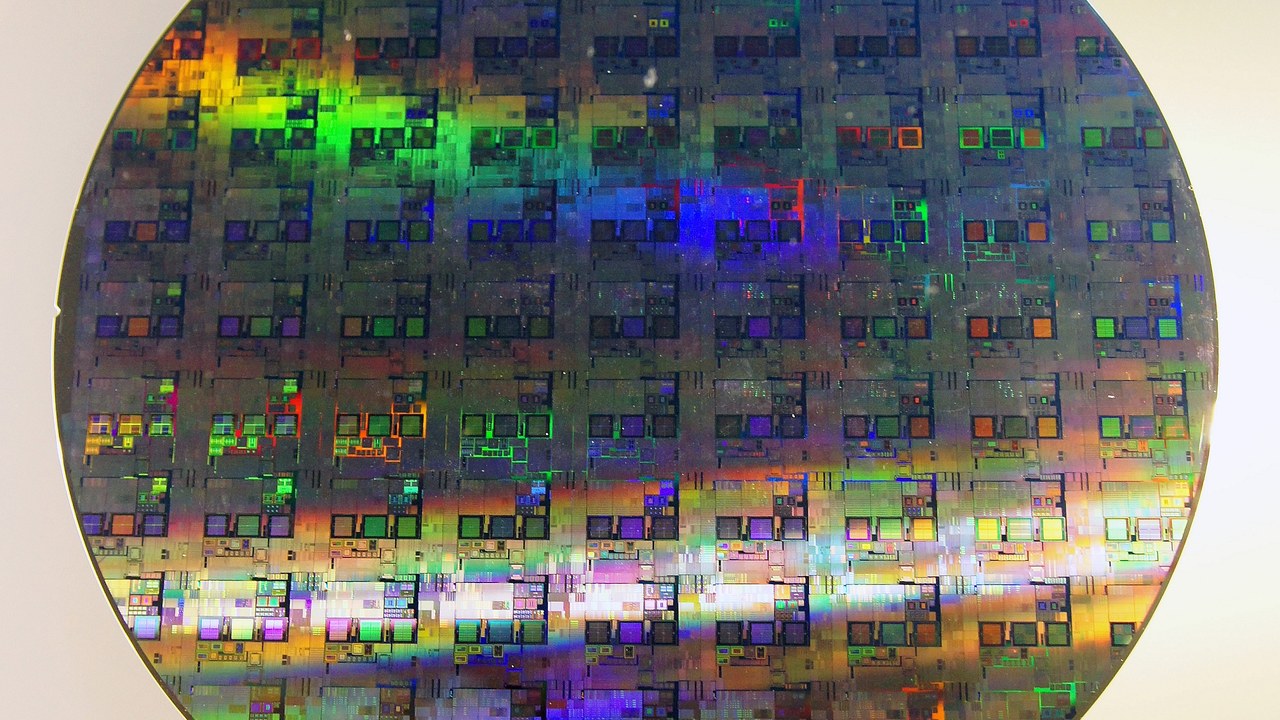
A data center without chips is a warehouse with an expensive air conditioner. And the chips are the tighter line of the two. The advanced packaging that stitches an AI accelerator together, TSMC’s process known as CoWoS, has been effectively sold out, with lead times reported at more than a year; the leading-edge logic is booked into 2028, and the high-bandwidth memory that rides alongside it is spoken for as well. A short list of firms holds most of that capacity, with Nvidia estimated to hold a majority of the packaging supply. This is why some of the gigawatts announced with such confidence will slip. One firm’s estimate had 30 to 50 percent of 2026 U.S. data-center capacity at risk of delay, though other analysts pushed back on the high end of that. What is not in dispute is the direction: a county that says yes in 2026 may be looking at a half-lit hall in 2028, still holding the water line and the substation.
What this means at a hearing
The reason all of this belongs at a county hearing is that the two lines are invisible from the dais. A developer can show a rendering and a jobs number without ever mentioning a study date, a queue position, or an order for chips that do not yet exist. A county that asks where the project sits in the interconnection queue, and whether the tariff makes the tenant go first, is asking the two questions that best predict whether the thing ever gets built. Part 7 gathers every question in this series onto one page you can print and set on the table before the vote.
- Lawrence Berkeley National Laboratory, “Queued Up” interconnection research: roughly 2 terawatts of generation and storage in U.S. queues at the end of 2025; typical wait of five-plus years; about 13 percent of 2000-2020 requests built, with most withdrawing. Berkeley Lab.
- TSMC advanced-packaging (CoWoS) and leading-edge capacity effectively sold out, with long lead times and a concentrated buyer base; delays to announced 2026 data-center capacity. Network World; SemiAnalysis (pushback on the highest delay estimates).
- Virginia SCC data-center rules, including the GS-5 large-load tariff (85 percent minimum billable demand, fourteen-year term) and collateral requirements reported near $1.5 million per megawatt. Virginia SCC.
- More than 50 gigawatts of U.S. data-center capacity operating at the end of 2025, about 24 percent annual growth; grid interconnection increasingly the binding constraint. Utility Dive (FERC data).