The SAVE Act, Decoded: A Nine-Part Guide to the Bill That Would Change How You Register to Vote
One bill, nine questions, no slogans. Start here: what the SAVE Act is, what it would actually require, and where to read the part you need.

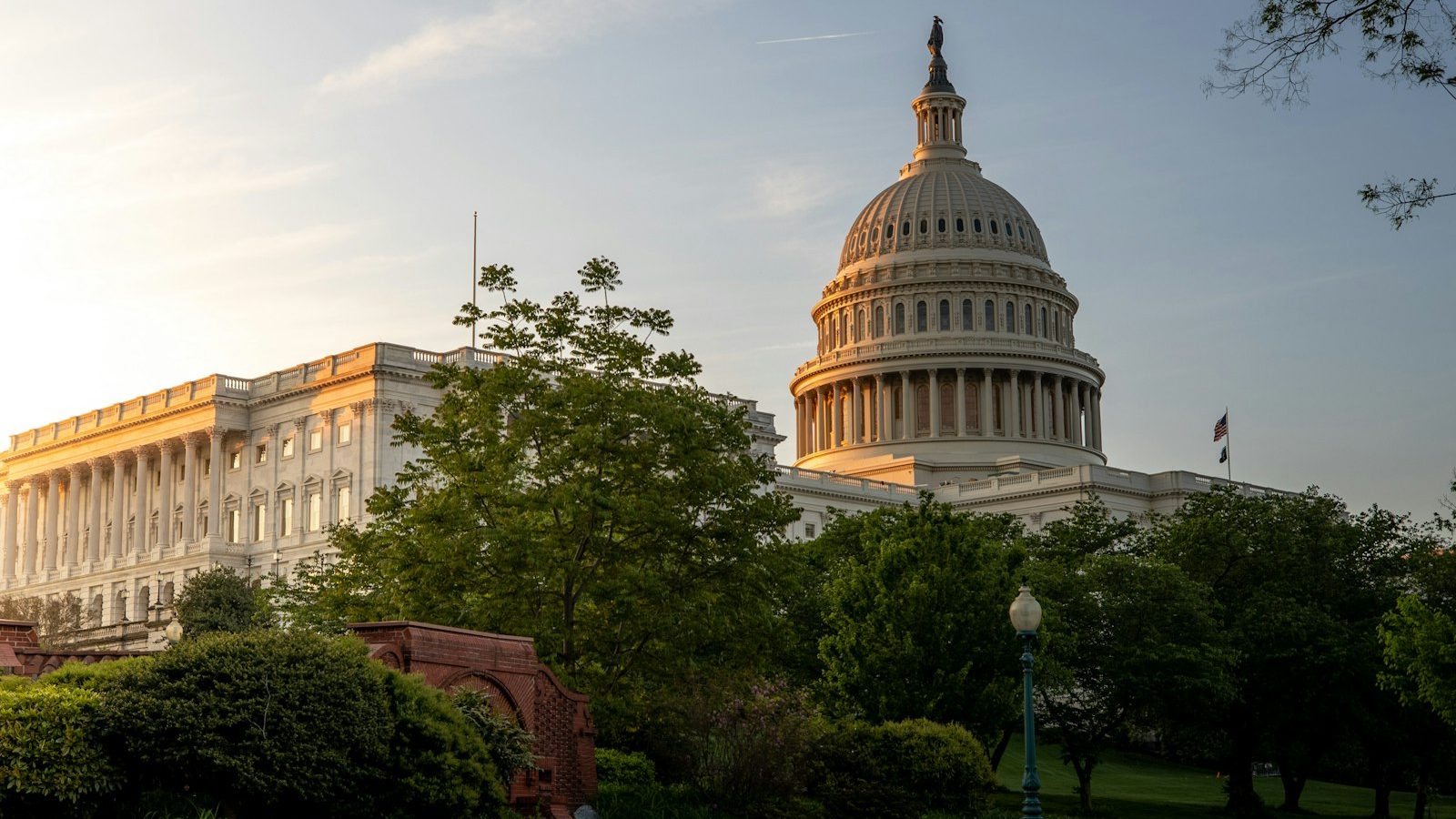
The SAVE Act is one of the most talked-about and least-read bills of the year. Its full name is the Safeguard American Voter Eligibility Act, and in April 2025 the House passed it 220 to 208. Almost everything said about it since has been an argument. This guide is not an argument. It is the bill, taken apart one question at a time.
We broke it into nine parts on purpose. A single article on the SAVE Act ends up doing one of two things: skating over the details, or burying the one detail that actually affects you. Instead, each part answers a single question in plain language, from what the bill requires to who it would catch to where it stands right now. Read the series in order, or jump to the part you need.
The short version
- The SAVE Act passed the House 220 to 208 on April 10, 2025. It would require documentary proof of citizenship to register or update your registration, on top of the sworn signature already required today.
- A driver’s license usually is not enough. The proof most people would reach for is a certified birth certificate or a passport, and not everyone has one within reach.
- The widest gap is the married-name problem: roughly sixty-nine million women have a current name that does not match their birth certificate, and the bill as written does not resolve it.
- It is not yet law. The House has passed it; the Senate has not. Part 9 tracks where it stands.
The nine parts, in order
Part 1: What It Actually Is. Start here. Before the arguing begins, this is the bill stripped to its mechanism. Today you register by signing your name under penalty of perjury that you are a citizen; the SAVE Act would add a second step, documentary proof, on top of that signature. Part 1 walks through the April 10, 2025 House vote and what the text changes.
Part 2: The Documentary Proof Requirement. Your driver’s license almost certainly does not count. This part lays out exactly which documents the bill accepts as proof of citizenship, why a standard REAL ID does not clear the bar on its own, and how many Americans do not have a qualifying document within reach.
Part 3: Certified Birth Certificates. The document the whole bill turns on. Part 3 explains what makes a birth certificate “certified,” what a certified copy costs state by state, and how long the wait can run, because a requirement is only as fair as the paperwork behind it.
Part 4: The Married-Name Problem. The gap that affects the most people. Roughly sixty-nine million women changed their surname when they married, but their birth certificates did not, and as written the bill offers no clear bridge between the two names. Part 4 is the clearest window into who a simple-sounding rule would actually catch.
Part 5: What Actually Triggers It. It does not re-register the entire country overnight. This part pins down the exact moments the requirement kicks in, when you move, when you marry, when you register for the first time, so you can see whether and when it would ever touch you.
Part 6: States’ Rights and Federal Power. The constitutional spine of the fight. Elections have always been run by the states, and this part traces the argument over how far Congress can reach into that, a dispute older than the bill itself.
Part 7: Who Feels the Impact, and What the Evidence Shows. Where the numbers live. Part 7 sets the claims about noncitizen voting against the documented evidence, and asks the narrower, answerable question: how many eligible citizens would a documentary proof requirement stop, and who are they?
Part 8: What It Would Mean for Voting. Past the slogans, to the polling place. This part asks what would concretely change on election day and in the weeks before it, for a first-time registrant, for someone who just moved, and for the workers who process the forms.
Part 9: Where It Stands Now. The living tracker. Part 9 is the one we keep current: where the bill sits in the Senate, what has moved since the House vote, and what to watch next. If you only bookmark one part, make it this one.
Where to start
Two ways in. If you are new to the SAVE Act, begin with Part 1 and read straight through. If you have followed it for months and just want the latest, go to Part 9, which we keep updated as the bill moves. Either way, every claim in this series is sourced, and every part links back to this guide.
Related on HeadLines Decoded: If you vote in Florida, the property-tax measure on your November ballot deserves the same close read. We broke it down in a five-part series on Amendment 3, starting with what it does.
- Congressional text and status of the SAVE Act (H.R. 22) and the SAVE America Act (H.R. 7296), 119th Congress
- The National Voter Registration Act of 1993 (the “Motor Voter” law)
- Bipartisan Policy Center and Issue One explainers on the SAVE Act and SAVE America Act
- Public reporting on the House votes, the Senate math, and the failed budget-reconciliation attempt through mid-2026
- Further reading from HeadLines Decoded on casting your own ballot this year: How to vote in person, early, in the 2026 midterms.
Reported and edited to HeadLines Decoded newsroom standards. E.G. v4.17 · I.R.G. v1.14 · L.R.G. v1.9 · P.L.G. v1.10. This is the hub for our nine-part guide to the SAVE Act; each part is sourced and linked above.
Editor written. AI used for spelling and grammar only.