A Permanent Standby Generator Changes the Outage Experience. It Also Changes the Cost, the Permitting, and the Commitment.
Automatic transfer, continuous fuel options, and whole-house or critical-circuit coverage come with higher upfront cost, licensed installation, and ongoing maintenance. Here is what Florida homeowners actually face.

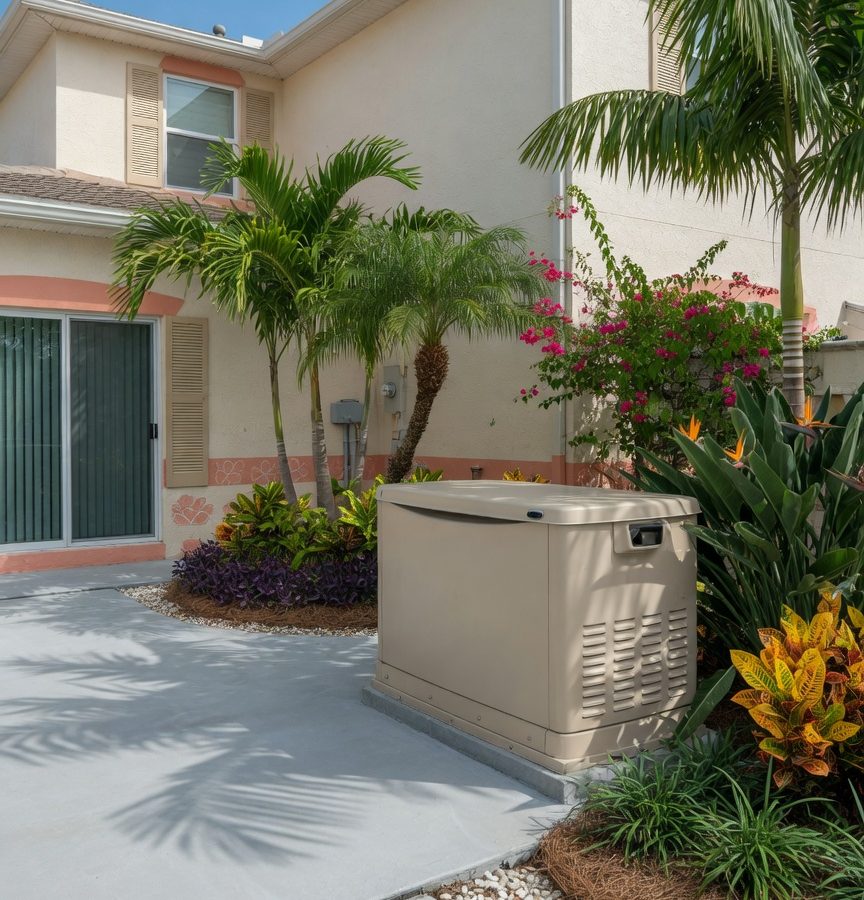
Credit: AI-generated illustration (Grok), generated in-house. HeadLines Decoded. · HeadLines Decoded LLC
Illustration generated with AI (Grok).
A portable generator requires someone to be home, to start it, to manage fuel, and to watch the loads. A permanent standby generator is designed to do the opposite. When utility power fails, an automatic transfer switch starts the unit and shifts the house (or selected circuits) to generator power, usually within seconds to a minute. When utility power returns, the system switches back and shuts the generator down. The homeowner can be asleep, at work, or away.
That convenience is the core value. It is also why the systems cost more and why the installation is regulated.
How the automatic transfer switch works
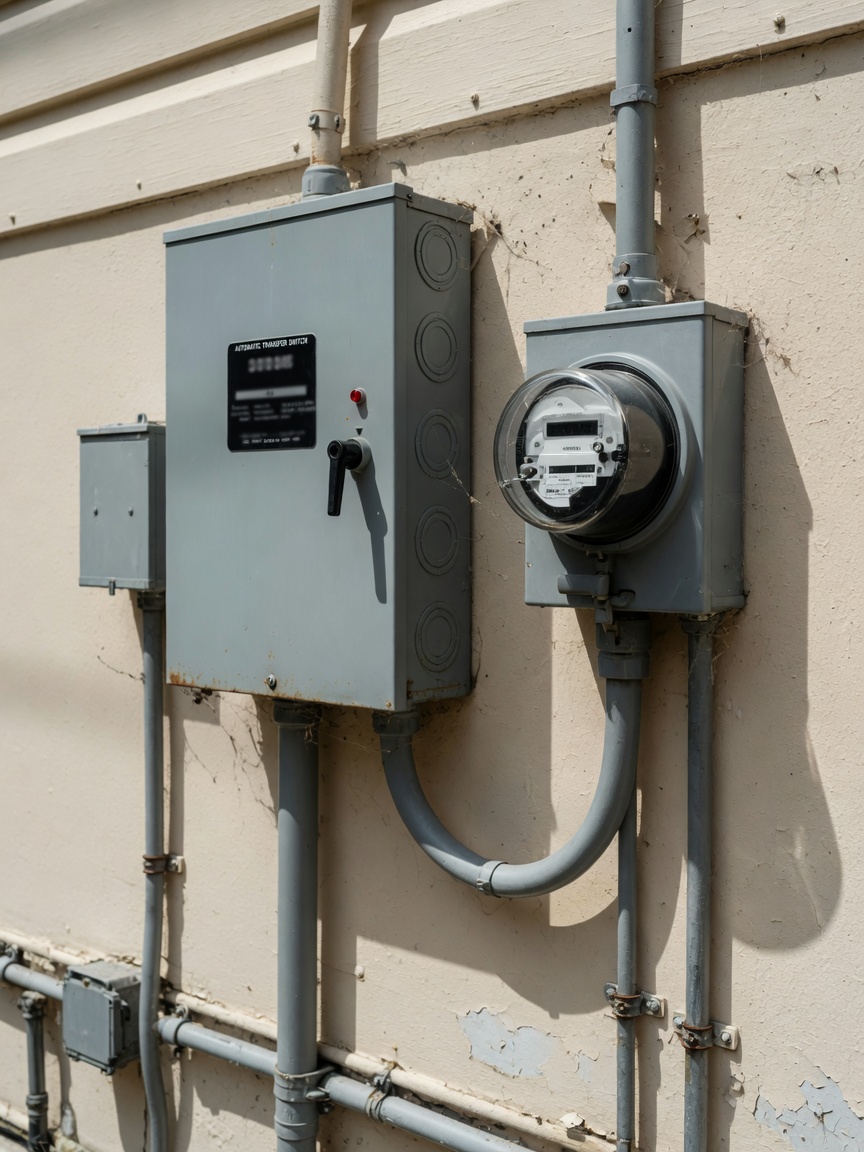
The automatic transfer switch (ATS) sits between the utility service and the main panel, or it controls a selected subpanel of critical circuits. It constantly monitors the utility voltage. When voltage drops below a set threshold for a set time, the ATS signals the generator to start. Once the generator is up to speed and stable, the ATS transfers the load. The process is automatic.
When utility power is restored and stable, the ATS transfers the load back and signals the generator to cool down and stop. Most residential systems complete the sequence in under a minute. Emergency systems in hospitals and other critical facilities have tighter timing requirements under different code sections; residential optional standby systems under NEC Article 702 do not have the same strict time limits.
The ATS also provides the isolation that prevents the generator from backfeeding the utility. That isolation is a code requirement and a safety requirement for the crews working on the lines.
Fuel choices in Florida
Natural gas is the most common fuel for residential standby generators in areas where the utility gas system is available. As long as the gas pressure remains, the generator can run indefinitely without refueling. After major hurricanes, natural gas service often continues even when the electric grid is down, though this is not guaranteed in every location or every storm.
Propane is the alternative where natural gas is unavailable or where the homeowner prefers on-site storage. A large propane tank can support multi-day or multi-week operation depending on the load and the tank size. Propane must be delivered and the tank must be monitored. In the aftermath of a widespread storm, propane deliveries can be delayed.
Diesel is less common for smaller residential units but appears in larger systems. It is efficient and the fuel is stable, but storage, emissions, and maintenance differ from gaseous fuels.
Air-cooled generators dominate the residential market up to roughly 24 kW. Liquid-cooled units appear in larger sizes and can offer longer run times and quieter operation under heavy load, at higher cost.
Sizing: critical circuits versus whole house
A common mistake is to assume that “whole-house” means every load can run simultaneously at full capacity. In practice, installers size systems based on a calculated load or on a managed set of circuits. A 20–22 kW air-cooled unit is a frequent recommendation for many Florida homes that want to cover central air, refrigeration, well pumps, lighting, and major appliances. Larger homes, multiple air-conditioning zones, or all-electric loads may need 24 kW or more, sometimes moving into liquid-cooled territory.
Critical-circuit systems are smaller and less expensive. They power a selected subpanel that includes the refrigerator, medical equipment, well or sump, some lighting and outlets, and perhaps one air-conditioning zone. The rest of the house stays dark. For many households this is enough.
Load calculation is part of a proper installation. The National Electrical Code and the Florida Building Code expect the transfer equipment and the generator to be matched to the connected load. Oversizing wastes money. Undersizing leads to nuisance shutdowns or the inability to run needed loads.
Installed cost ranges in Florida
Prices vary by size, fuel type, site conditions, and local labor. Recent 2025–2026 market ranges for professionally installed residential standby systems in Florida include:
| Configuration | Typical installed range |
|---|---|
| Essential circuits, 10–16 kW | $6,000 – $10,000 |
| Most of a typical home, 18–22 kW | $9,000 – $14,000 |
| Larger or whole-house, 24 kW+ | $12,000 – $22,000+ |
These figures generally include the generator, automatic transfer switch, concrete pad or mounting system, basic electrical and fuel connections, permitting, and labor. Long gas line runs, panel upgrades, difficult access, flood-zone elevation, or HOA-driven screening can add cost. Permits themselves are often a few hundred dollars; the larger expense is the licensed work.
Financing is widely available through manufacturers and installers. Maintenance contracts that cover annual service are common and are often required to keep the warranty in force.
Permitting and code requirements
A permanent standby generator is a building and electrical project. It requires permits. The Florida Building Code, 8th Edition (2023), and the National Electrical Code govern the work. Key points include:
- The generator must be listed (typically UL 2200 for stationary assemblies).
- Transfer equipment must prevent parallel operation with the utility unless the system is specifically designed for it.
- Exhaust must meet clearance requirements from openings (generally 10 feet, with limited exceptions).
- In flood hazard areas, elevation and protection rules apply.
- Fuel piping for natural gas or propane must meet the fuel gas code.
- A licensed electrical contractor and, where applicable, a licensed gas contractor perform the work.
- A site plan showing location, setbacks, and clearances is typically required.
Local amendments and HOA rules can add further requirements. The building department is the authority that issues the permit and conducts the inspections. Starting work without a permit risks stop-work orders, fines, and insurance complications.
What still can go wrong
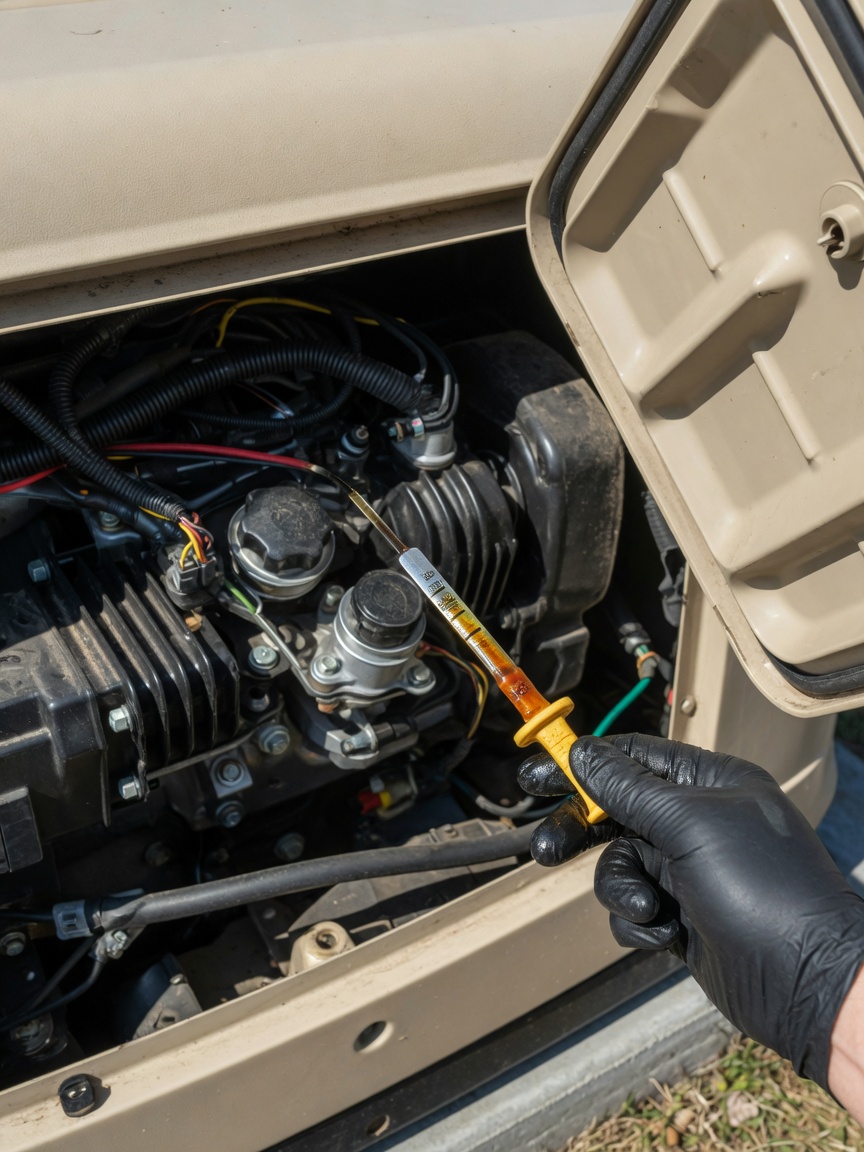
Automatic systems fail less often than poorly maintained portables, but they are not immune. Common issues include:
- Dead battery on the generator (the unit needs a charged starting battery).
- Failed sensors or control boards.
- Fuel supply interruption (closed gas valve, empty propane tank, or utility gas outage).
- Overloaded system that causes the generator to shut down on under-frequency or overcurrent.
- Neglected maintenance that leads to hard starting or oil problems.
Monthly exercise under load (most units can be set to self-test weekly or monthly) and annual professional service catch many of these problems before a storm. The homeowner still needs to know how to check the basic status lights and how to contact the service provider if the unit does not start when it should.
Who benefits most from a standby system
Households with medical equipment that cannot tolerate even short outages, homes with wells or sump pumps that must keep running, people who travel or work long hours and cannot be present to start a portable, and anyone who has already lived through a multi-day outage and decided they do not want to manage fuel and loads by hand again are the typical candidates.
Households with modest critical loads, a reliable person available to operate a portable, and a limited budget often find that a good portable plus a proper interlock or transfer switch meets their needs at a fraction of the cost.
Part 5 of this series brings the options together: how to size what you actually need, how generators interact with solar and battery systems, and a practical decision framework for Florida homes.
- Part 1: Why Florida’s long outages still happen
- Part 2: Portable generators: power and limits
- Part 3: Setup and safety
- Part 4: Permanent standby systems (you are here)
- Part 5: How to decide what you need
- Florida Building Code, 8th Edition (2023), including Residential Code flood and generator provisions
- National Electrical Code (NFPA 70), Article 702, Optional Standby Systems
- Manufacturer specifications for air-cooled and liquid-cooled standby generators
- Florida installer and cost-guide pricing summaries, 2025–2026
Reported and edited to HeadLines Decoded newsroom standards. E.G. v4.16 · I.R.G. v1.13 · L.R.G. v1.9 · P.L.G. v1.10. Part of our Power Through the Storm series.
Editor written. AI used for spelling and grammar only.